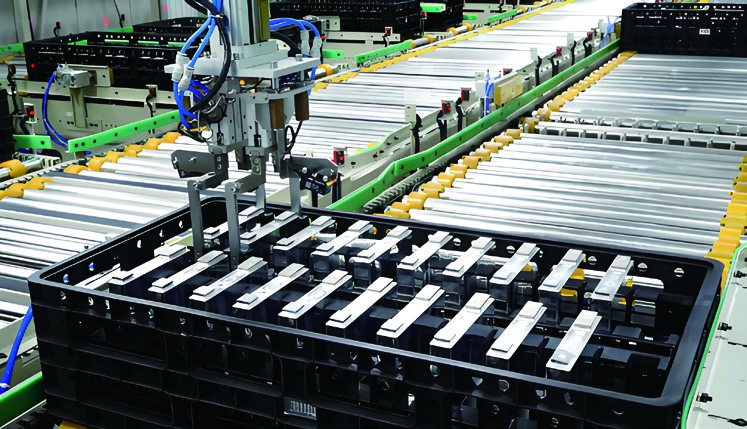
Lithium batteries almost never fail silently. Before a cell vents, smokes, or enters thermal runaway, it passes through a phase of abnormal heat — a cell running warmer than its neighbors, a connection heating under load, a module with uneven temperature distribution. Thermal monitoring watches for exactly those signatures: not the fire, but the temperature pattern that announces it.
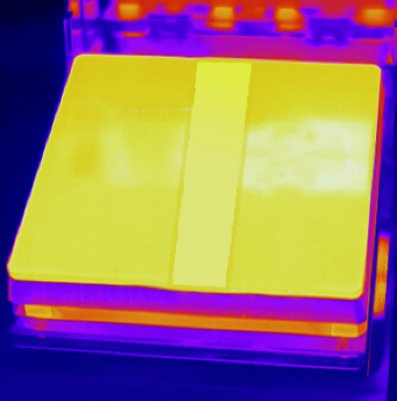
The application spans the battery lifecycle. On production lines, thermal cameras verify welding quality on tabs and busbars and screen cells during formation charging. In test labs, radiometric recording maps how packs heat through charge cycles. In energy storage stations and warehouses, fixed cameras supervise racks and containers around the clock — where a rate-of-rise alarm buys the minutes that matter.
Typical Deployments
- Cell and pack production: tab weld inspection, formation-charging screening, and end-of-line thermal checks built into the line
- Battery test labs: radiometric recording of charge/discharge cycles; per-cell temperature curves exported for modeling and abuse-test documentation
- Energy storage stations (ESS): container and cabinet racks under continuous thermal supervision; rate-of-rise alarms trigger ventilation, isolation, or suppression before runaway propagates
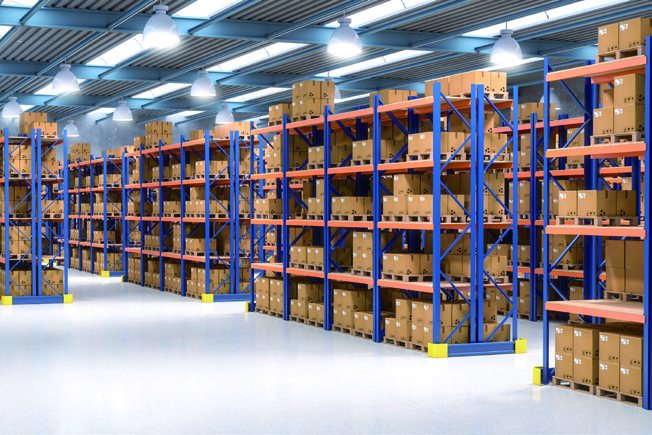
- Battery warehousing and logistics: storage areas for cells, packs, and e-mobility batteries monitored for self-heating — especially after transport or returns
- Charging infrastructure: charging posts, connectors, and cable terminations monitored for contact heating under sustained high current
Module Selection Guide
| Scenario | Module | Key figures |
|---|---|---|
| Production line & test bench | SPECTRA L06A (640×512) | Radiometric output for machine vision and logging |
| Compact cabinet & rack integration | SPECTRA L04T (384×288) | Small form factor for tight spaces |
| ESS analytics & early-warning systems | NEXUS LV0619B | AI-assisted multi-band detection platform |