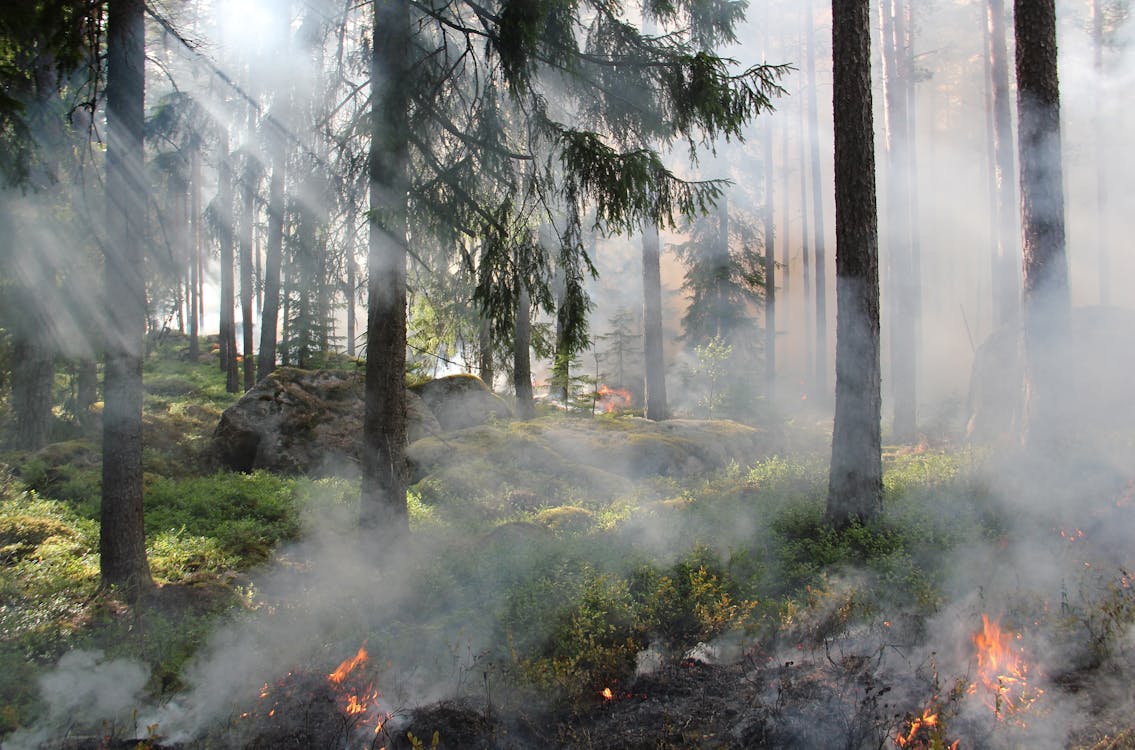
Fire almost never starts with open flame — it starts with heat. Overheated bearings, smoldering waste, stressed battery cells: all emit thermal signatures long before smoke or flame becomes visible. Radiometric LWIR imaging detects this build-up directly and works in total darkness and through light smoke, where visible cameras and even smoke detectors respond too late.
Dual-range radiometry covers both early-warning and full-fire scenarios in a single device: a high-sensitivity range (down to -20 °C) resolves small temperature anomalies at their origin, while an extended range up to 650 °C keeps measuring without saturation once combustion begins — supporting responders with live temperature data during the incident itself.

Point, line, and region temperature analysis with configurable alarm thresholds keeps false alarms under control: the system triggers on sustained regional temperature rise rather than on every passing vehicle or animal. Low-power cores below 1 W enable solar-powered watchtowers and distributed battery nodes that operate unattended for years.
Typical Deployments
- Forest & wildfire watchtowers: wide-area 1280 radiometric scanning for ignition-point localization
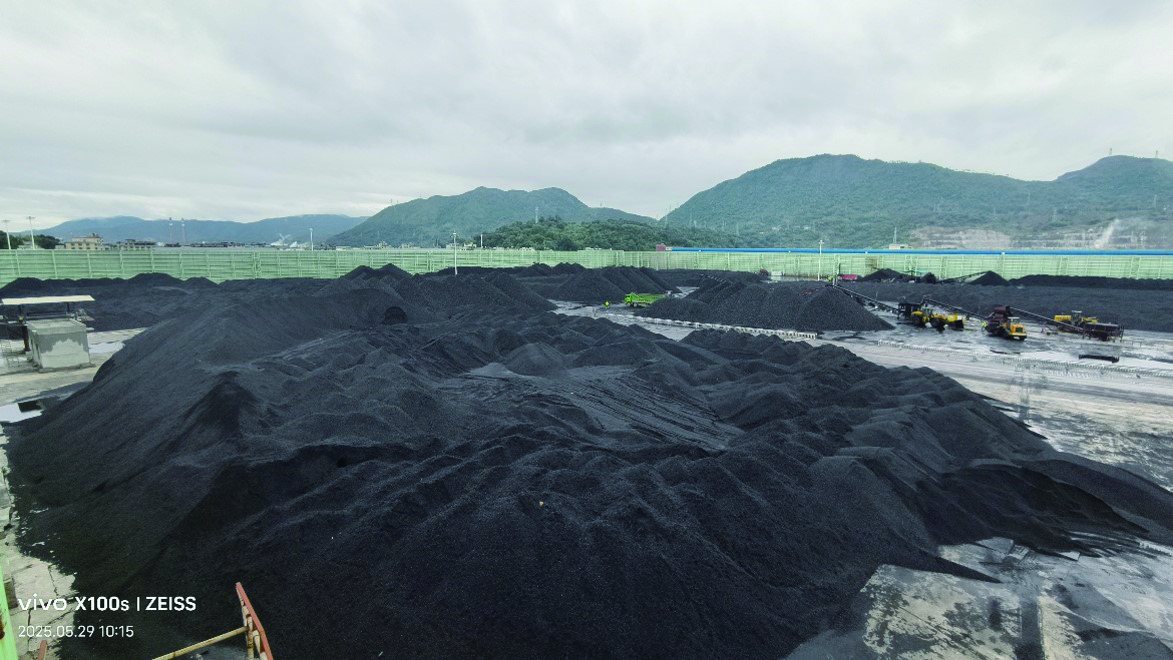
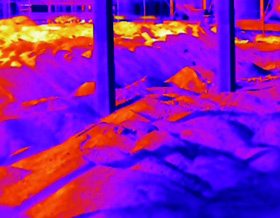
- Warehouses & waste bunkers: fixed 640 nodes monitoring smolder-prone storage around the clock
- Battery & ESS cabinets: miniature cores inside energy-storage enclosures for cell-level thermal runaway warning
- Industrial yards & biomass storage: pan-tilt radiometric systems covering large outdoor piles
What the Camera Sees: Self-Heating and Storage Risks

Module Selection Guide
| Scenario | Module | Temperature ranges |
|---|---|---|
| Watchtower wide-area scanning | SPECTRA L12T (1280×1024) | −20–150 °C / 50–600 °C |
| Fixed warehouse & bunker nodes | SPECTRA L06T2 (640×512) | −20–150 °C / 100–650 °C |
| Battery / ESS in-cabinet warning | SPECTRA L06C (640×512) | −20–150 °C / 140–650 °C, ≤23 g |