
An overheating bearing, a delaminating panel, a blocked flow line — almost every industrial failure announces itself first as heat. Thermal imaging makes that announcement visible, and when the camera is fixed-mount or robot-mounted, it does so continuously and automatically.

Manual thermography — a technician walking the floor with a handheld camera — catches problems on a schedule. Fixed-mount radiometric cores catch them the moment they appear: every part on every cycle, with calibrated temperature values flowing straight into SCADA/MES trend lines. The economics are straightforward — a predictive-maintenance alert costs a planned stop; a failure costs an unplanned one.
Robotic inspection extends coverage further. An inspection robot or an arm-mounted core patrols routes no operator wants to walk — furnaces, high-voltage halls, hazardous lines — while AI-integrated modules classify anomalies on the edge and raise only the alerts that matter. For materials with low thermal emissivity, such as reflective metals, polarimetric LWIR imaging suppresses reflection artifacts that fool ordinary thermal cameras.
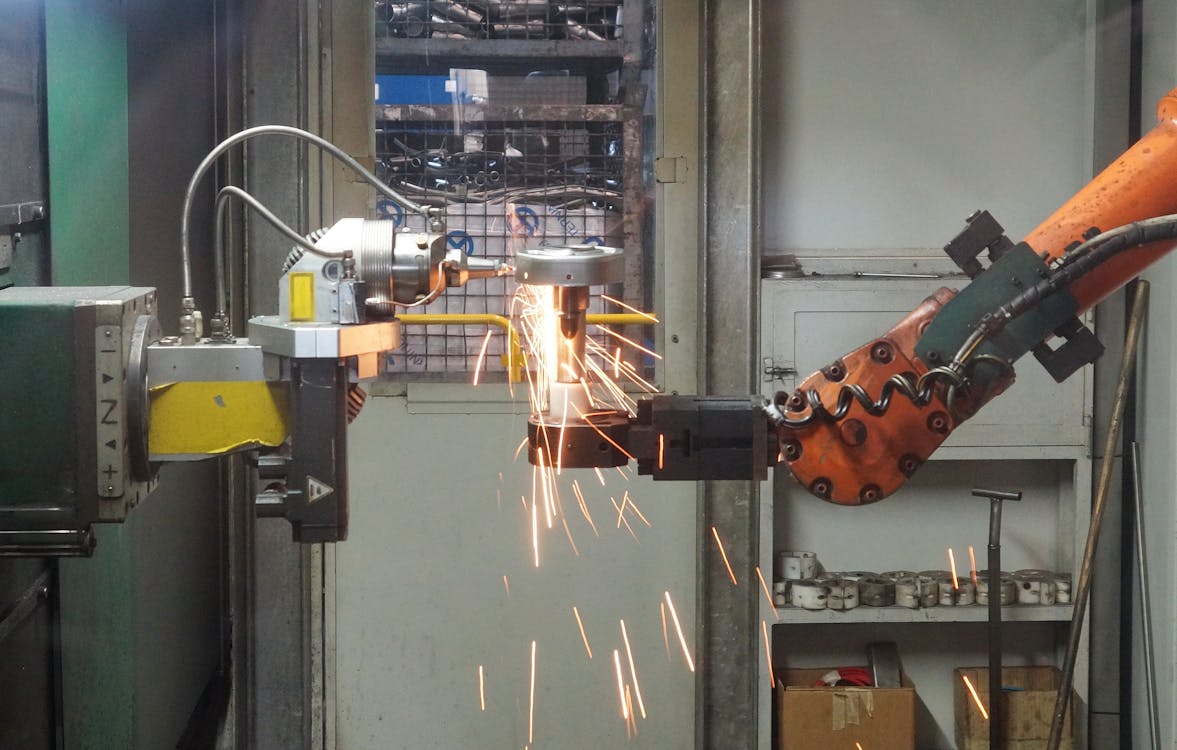
From steel and glass to electronics, power distribution and chemicals, radiometric thermal cores are the sensing layer of modern industrial inspection.
Typical Deployments
- Fixed-mount line monitoring: radiometric cores watching every part on every cycle, feeding calibrated temperatures into SCADA/MES trend lines
- Robot and arm-mounted patrol: inspection robots covering furnaces, high-voltage halls, and hazardous lines no operator should walk
- Predictive maintenance: early hot-spot detection on bearings, motors, and electrical connections — planned stops instead of unplanned ones
- Low-emissivity & reflective materials: polarimetric LWIR suppressing reflection artifacts on shiny metals that fool ordinary thermal cameras
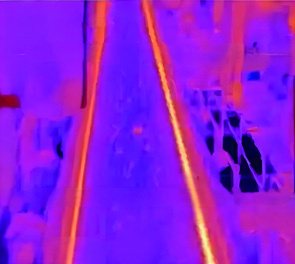
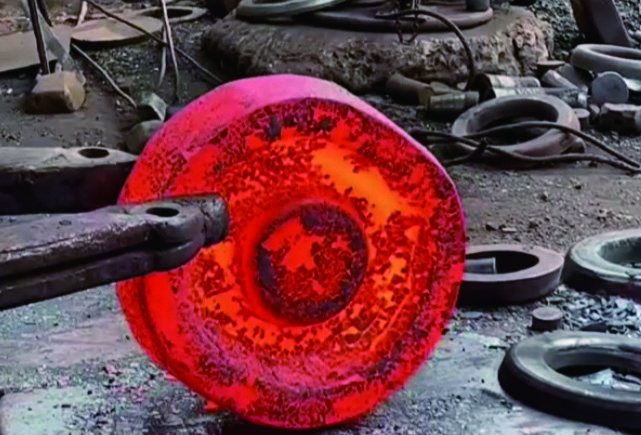
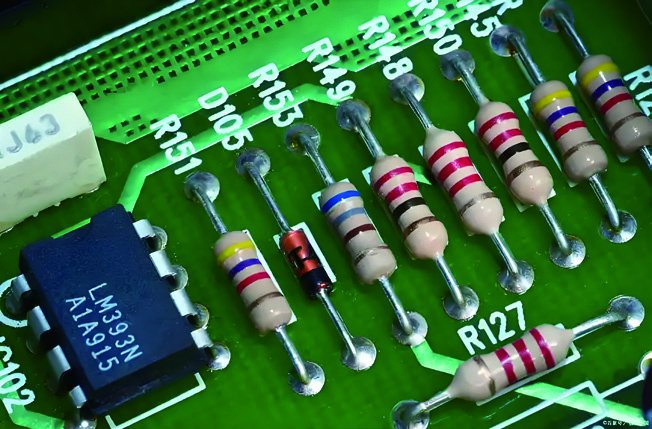
What the Camera Sees: Plant Floor Examples
Module Selection Guide
| Scenario | Module | Key figures |
|---|---|---|
| Fixed-mount process monitoring | SPECTRA L06A (640×512) | Radiometric, ≤6 W, SCADA-ready interfaces |
| HD radiometric inspection | SPECTRA L12T (1280×1024) | −20–150 / 50–600 °C ranging, <26 g |
| Reflective / low-emissivity metals | SPECTRA PL06A | Polarimetric LWIR material discrimination |
| Edge AI anomaly classification | NEXUS LV0619B | On-board NPU, unmanned inspection |