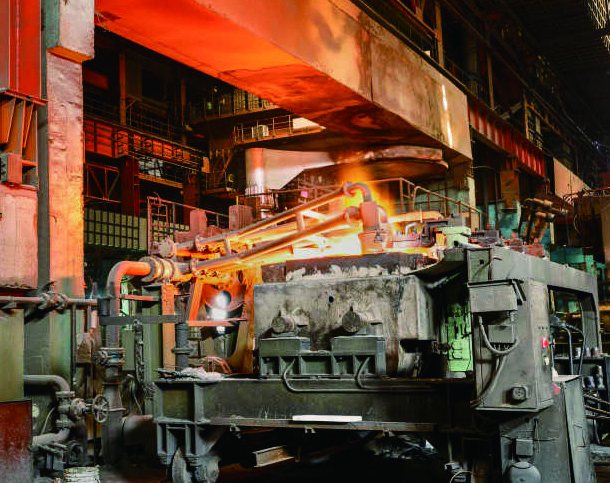
In most plants, temperature is the process variable that decides quality — and the one measured least often. A forging pressed below its temperature window cracks; a weld made outside its interpass range fails inspection weeks later; a roller bearing announces its death with heat hours before it seizes. Fixed thermal monitoring closes the gap between “measured when someone has time” and “measured every second, every shift.”
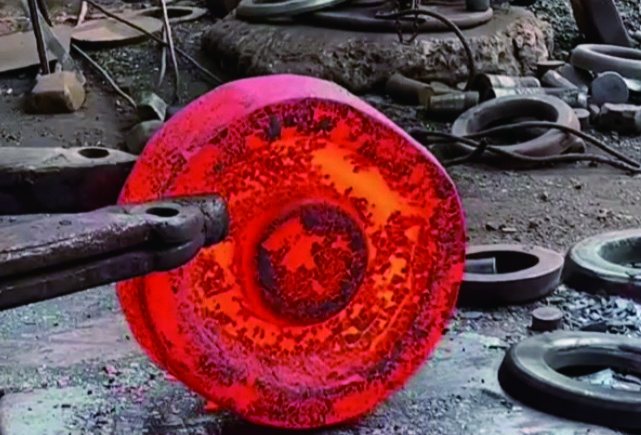
The deployment pattern repeats across industries: define the measurement zones that matter, set qualified temperature windows for each, and let the camera alarm on every excursion. What changes from plant to plant is the hardware class — uncooled LWIR cores cover most machine and equipment monitoring, while very hot workpieces and fast thermal transients call for cooled MWIR sensitivity.
Typical Deployments
- Forging and hot forming: verify every workpiece enters the die inside its temperature window; monitor dies for overheating and uneven thermal load
- Welding and heat treatment: continuous supervision of interpass temperature, fixture heat soak, and cooling curves — alarmed to the line, logged to the part ID
- Conveyors and rotating machinery: idler rollers, bearings, gearboxes, and motors trended for the temperature rise that precedes failure
- Furnaces, boilers, and refractory linings: external shell surveys reveal refractory thinning and hot spots; tube and burner monitoring supports combustion optimization
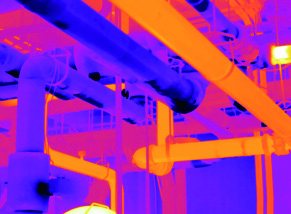
- Process piping and valves: steam traps, valves, flanges, and insulated lines checked continuously for leaks, blockages, and insulation breakdown
Module Selection Guide
| Scenario | Module | Key figures |
|---|---|---|
| Very hot workpieces & fast transients | SPECTRA M06A (cooled MWIR 640) | High sensitivity, wide measurement range |
| Furnace & high-temperature processes | SPECTRA H10A (1024×768 HT-cooled MWIR) | High-temperature optimized cooled core |
| Machinery, conveyors & utilities | SPECTRA L06A (640×512) | Compact radiometric core for volume deployment |