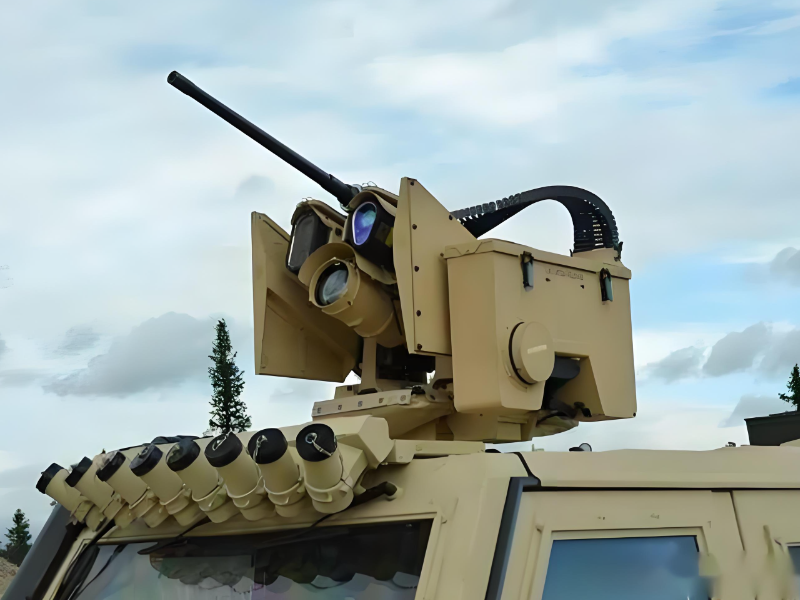
Modern security platforms are no longer single cameras — they are integrated systems that fuse thermal imaging, visible light, and AI analytics into one coherent picture. For security OEMs and system integrators, the imaging core is the foundation everything else is built on.

Thermal imaging keeps watch through total darkness, glare, fog, and rain — conditions where conventional CCTV loses contrast. Uncooled LWIR cores deliver this coverage with no cryocooler maintenance, making them the economical choice for always-on perimeter and site surveillance. Pairing them with low-light visible/NIR modules gives operators both a thermal detection layer and a detail-rich identification layer in one system.
For integrators, what matters just as much as image quality is integration cost. Cores with standard digital video interfaces, open control protocols, and documented SDKs turn a months-long custom development into a configuration exercise — and a supplier with long-lifecycle, consistent-sensor supply keeps a product roadmap stable across years of production.

From perimeter towers and PTZ cameras to mobile command centers and control-room video walls, standardized EO/IR building blocks let integrators scale a proven design across an entire product family.
Typical Deployments
- Perimeter towers & PTZ cameras: always-on thermal surveillance with zero cryocooler maintenance
- Mobile security platforms: vehicle-mounted multi-sensor heads for patrol and rapid deployment
- Control-room video walls: standardized cores feeding unified monitoring centers
- Multi-sensor camera heads: thermal + visible + AI in one OEM product family
Module Selection Guide
| Scenario | Module | Key figures |
|---|---|---|
| 24/7 thermal detection layer | SPECTRA L06A (640×512) | Uncooled, zero-maintenance |
| HD network thermal cameras | SPECTRA L12E (1280×1024) | RTSP/ONVIF, <4 W, −40 to +70 °C |
| Visible identification layer | Low-Light Visible/NIR Module | Detail-rich low-light imaging |
| AI detection in the stack | NEXUS LV0619B | On-board detection & classification |