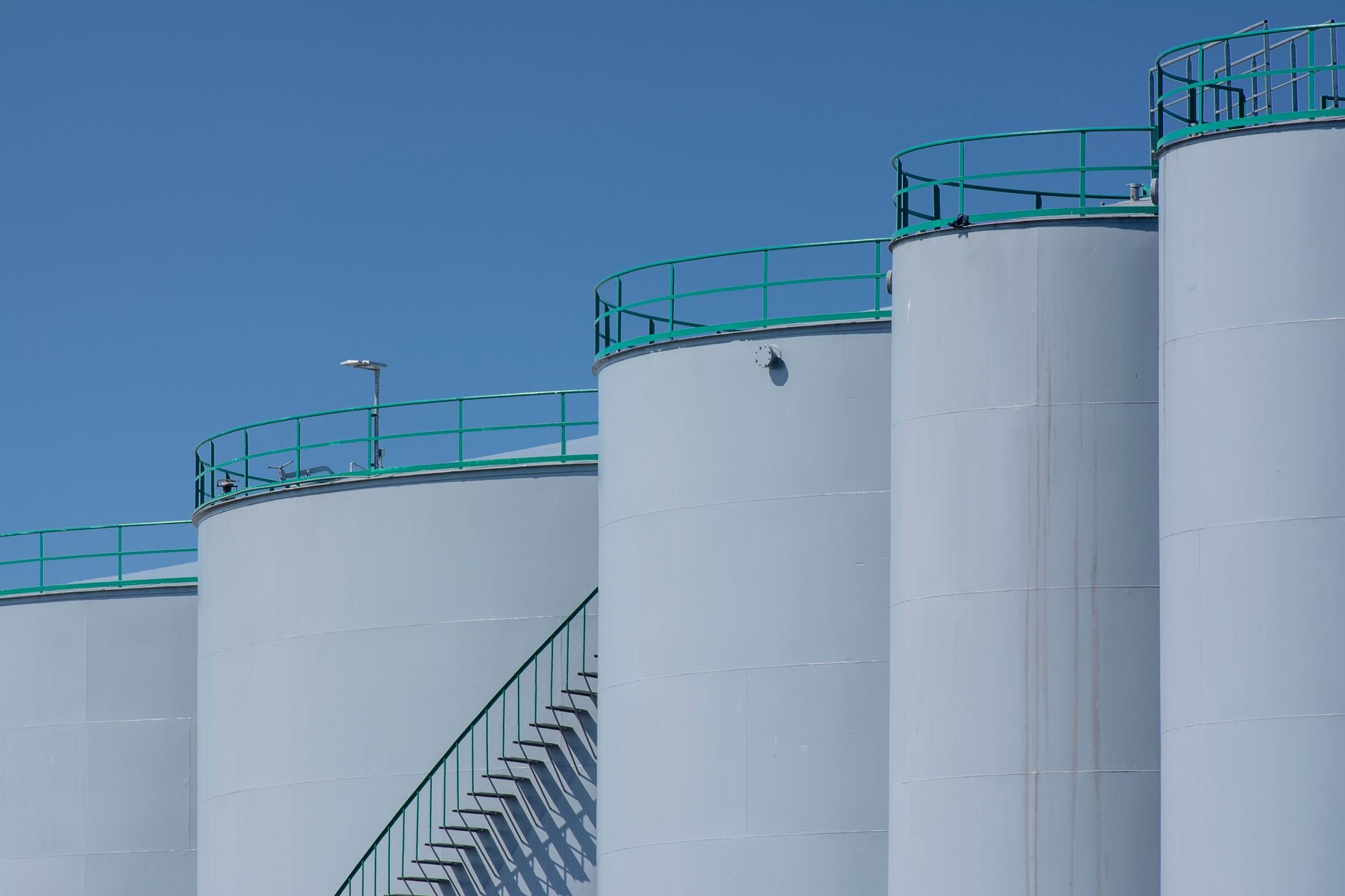
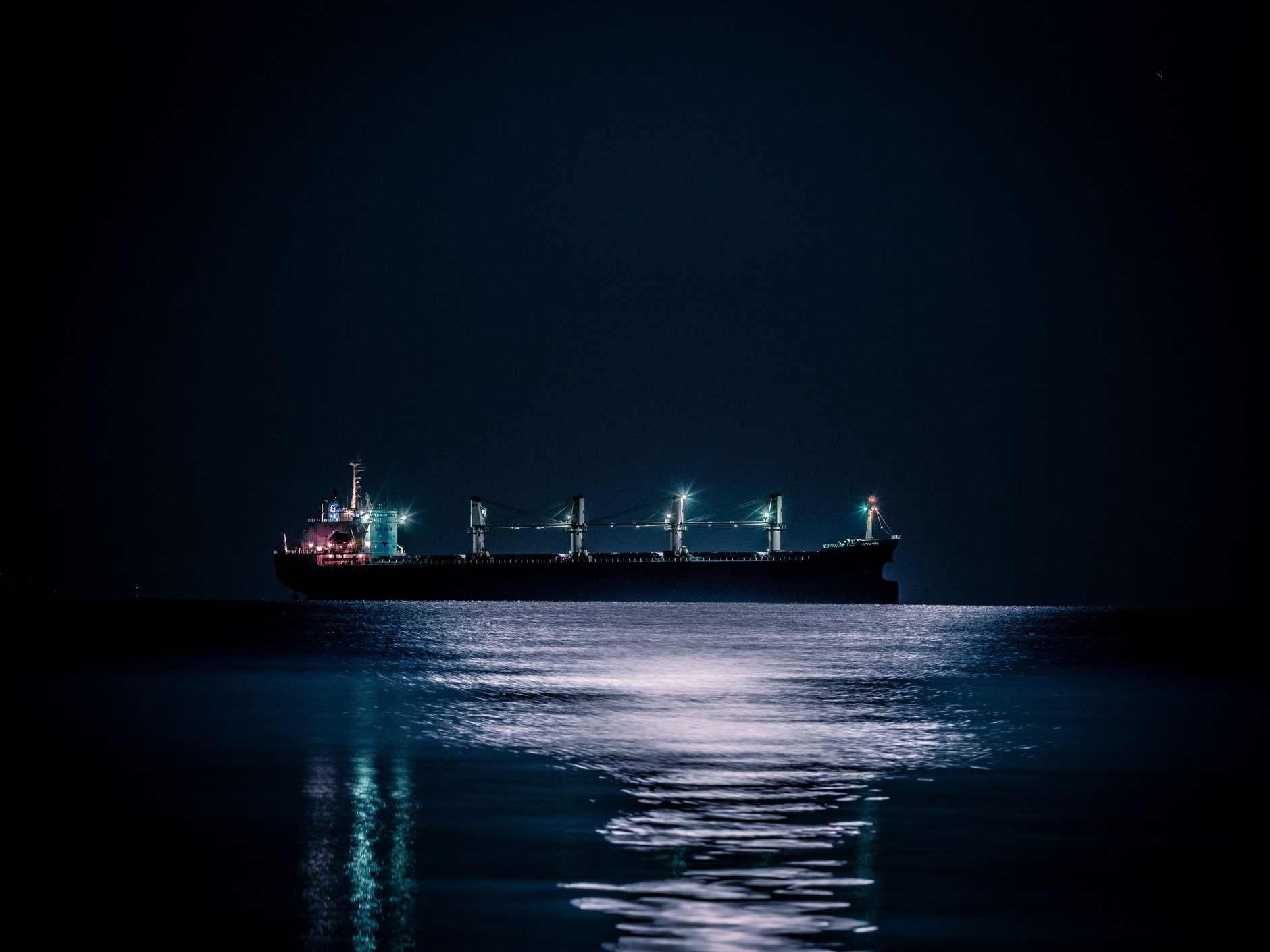
A container terminal never sleeps, and neither do its risks. After dark, a port is a kilometre-long waterside perimeter that small boats can approach invisibly, a maze of stacked containers where a person can hide in minutes, and rows of refrigerated boxes whose machinery failures quietly convert cargo into claims. Floodlights and visible CCTV were built for a world of honest lighting; the water gives back glare, fog swallows the picture, and the night shift patrols a space far larger than any team can actually watch.
This case looks at how one terminal closed those gaps with thermal imaging: dual-spectrum cameras watching the waterside and gates, and radiometric monitoring that reads the health of every reefer box from its machinery-end temperature.
Project Background
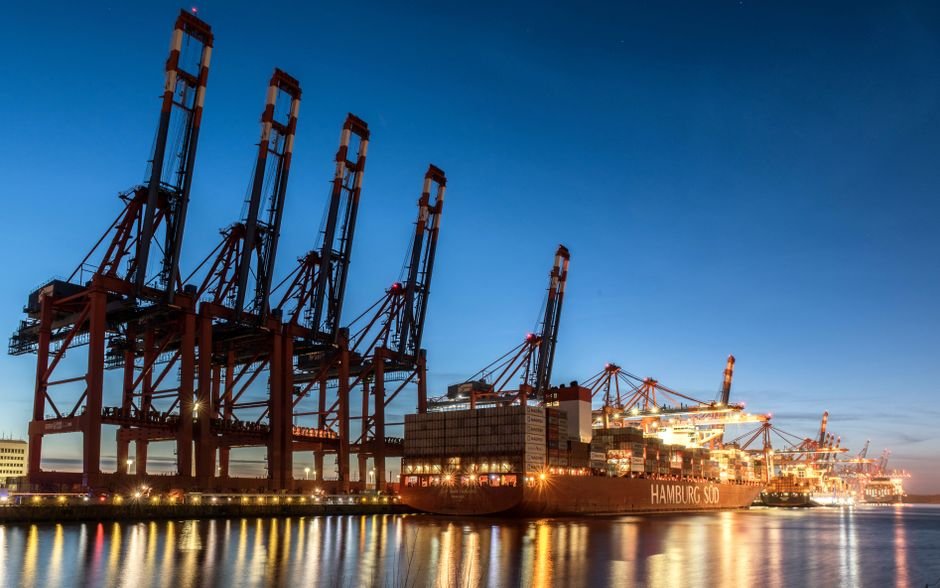
In 2024, the security and operations teams of a container terminal on China’s southeast coast — roughly two million TEU a year across 1.5 kilometres of quay — compared notes on a bad year. Two night intrusions from the water side had been discovered only at dawn, one by chance. A stowaway was found in a container already loaded aboard a feeder vessel, triggering a costly discharge operation. And a cluster of reefer cargo claims traced back to machinery failures that nobody had seen developing. The existing system was the conventional stack: floodlit visible CCTV, fence sensors on the land perimeter, and vehicle patrols on a schedule. The terminal approved a thermal program: dual-spectrum PTZ cameras covering the waterside corners and yard gates, plus fixed radiometric units overlooking the reefer blocks.
Pain Points of the Traditional Approach
- Visible CCTV is fair-weather security. Darkness, fog, rain and the water’s own glare degraded the cameras exactly when the waterside was most approachable.
- Patrols sample, they don’t watch. A vehicle passing every forty minutes leaves a 1.5-kilometre quay unobserved in between — and intruders time their approach to the gaps.
- Stowaways surfaced too late. People hiding among containers were found at the vessel or at destination, when the cost of the mistake was already at maximum.
- Reefer failures were discovered by the cargo. Not every box has working telemetry; a failing compressor or a door seal leak announced itself as a warming container and a claim, hours after it could have been caught as a hot — or cold — machinery signature.
The Thermal Imaging Solution
The program deployed two layers. On the perimeter, dual-spectrum PTZ heads combining a radiometric thermal channel with a low-light visible channel now cover the waterside corners, the quay line and the yard gates. The thermal channel carries the detection — a small boat approaching the quay wall, a person climbing from the water, movement between container rows — unaffected by darkness, glare or light fog, with intrusion analytics generating the alarm; the visible channel then supports identification and evidence. Patrols stopped sampling on a clock and started responding to coordinates.
Over the reefer blocks, fixed radiometric cameras read the machinery-end temperature of every box in view, continuously. Each reefer’s thermal signature is trended against its own history: a compressor running hot, a unit that has stopped exchanging heat altogether, an unusually cold casing where a defrost fault is developing — all surface as trend alarms hours before the box’s own alarm or the cargo’s temperature ever moves. The same cameras quietly do double duty for hot-work fire watch on the yard at night.
What the Thermal Solution Changed
- Intrusions are met at the waterline, not discovered at dawn. The thermal channel detects small craft against the water and persons on the quay wall in total darkness; in the first year, every waterside approach was intercepted before landing.
- Patrols became a response force. Security now dispatches to analytics coordinates instead of driving a clock circuit — the same headcount covers the quay continuously by proxy.
- Stowaway screening happens before loading. Gate and yard-row detection has caught concealed persons in the terminal, while discharge-and-return incidents have stopped.
- Reefer claims fell to a fraction of their previous level. Machinery faults are flagged as thermal trends hours ahead of temperature alarms; boxes are pulled to the workshop row before the cargo ever warms.
Module Selection Notes
Port surveillance wants a dual-spectrum payload: a radiometric LWIR channel sensitive enough to hold detection across water glare and light fog, fused with a visible channel for identification, in a housing that shrugs off salt air. The FUSION LV1225A dual-spectrum module pairs 1280×1024 thermal with visible in one unit for exactly this perimeter role. For fixed radiometric monitoring over reefer blocks and yard hot spots, the SPECTRA L12T 1280×1024 module covers wide rows from a single position. See the maritime application page for waterside security and night-navigation patterns.
Securing a terminal, or instrumenting a reefer yard? Talk to our engineers about dual-spectrum coverage and radiometric trending.