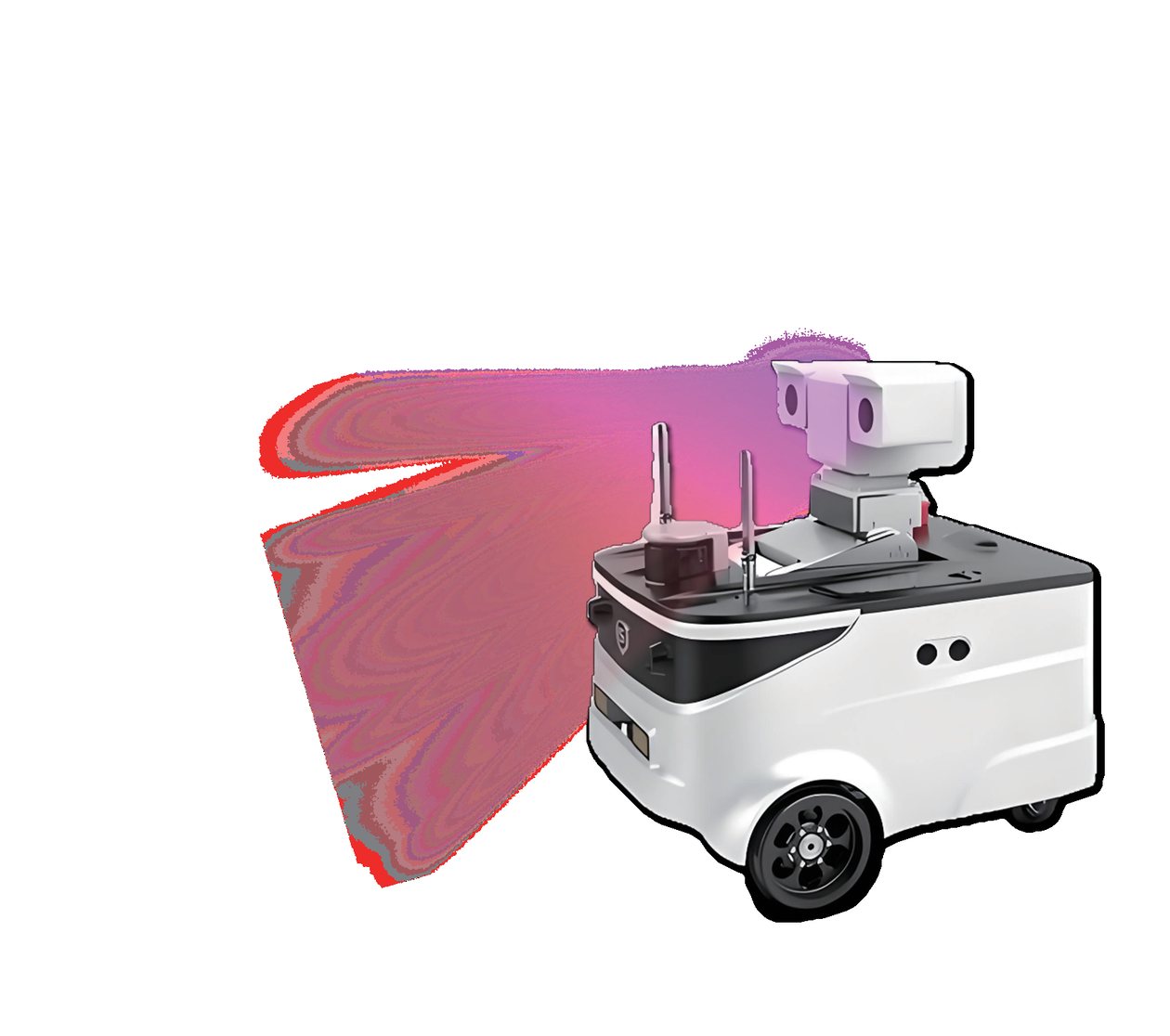
A remote border section has an awkward geometry: too long to watch with people, too rugged to fence, and most of the time nothing happens on it at all. Patrols cover the line in sequence, which means that at any given moment nearly all of the section is unobserved — and everyone on both sides of the line knows the patrol rhythm.
This case looks at how a border management unit replaced predictable patrols on a mountain section with a chain of unattended dual-sensor sentry towers, and what continuous watching changed.
Project Background
In 2024, a border management unit in Northern China took stock of a 26-kilometer section of mountainous frontier: forested ridgelines, two river crossings, and a road network that reached the line at only three points. Coverage rested on vehicle and foot patrols from a station forty minutes away, plus a handful of legacy cameras at the crossings that produced usable images only in daylight. Incidents were rare but consequential — smuggling attempts, illegal crossings, and occasional lost hikers — and the post-incident reviews kept landing on the same sentence: nobody was watching that part of the line at that hour. The unit funded eight unattended sentry positions along the section.
Pain Points of the Traditional Approach
- Patrols are a schedule, and schedules are predictable. A patrol passes a point a few times per shift; the rest of the time the line is unobserved, and the rhythm is easy to learn.
- Daylight cameras close at dusk. The legacy cameras at the crossings depended on visible light; exactly the hours of interest — darkness, fog, early morning — produced noise instead of images.
- The terrain fights back. Ridges and forest break line-of-sight into fragments, so a few manned points could never see the whole section regardless of how they were placed.
- Response rides on verification. A report from an unreliable sensor sends a team on a forty-minute drive for nothing; after enough false runs, real alerts get treated with suspicion too.
The Thermal Imaging Solution
Each sentry position pairs a radiometric LWIR core with a high-definition visible-light camera on a stabilized PTZ mount, powered by solar with battery reserve and linked back by wireless relay. The thermal channel is the primary detector: a human at two kilometers is an unmistakable bright signature against a cold mountainside, in full darkness, through light fog, and at temperature contrasts where a visible camera sees nothing.
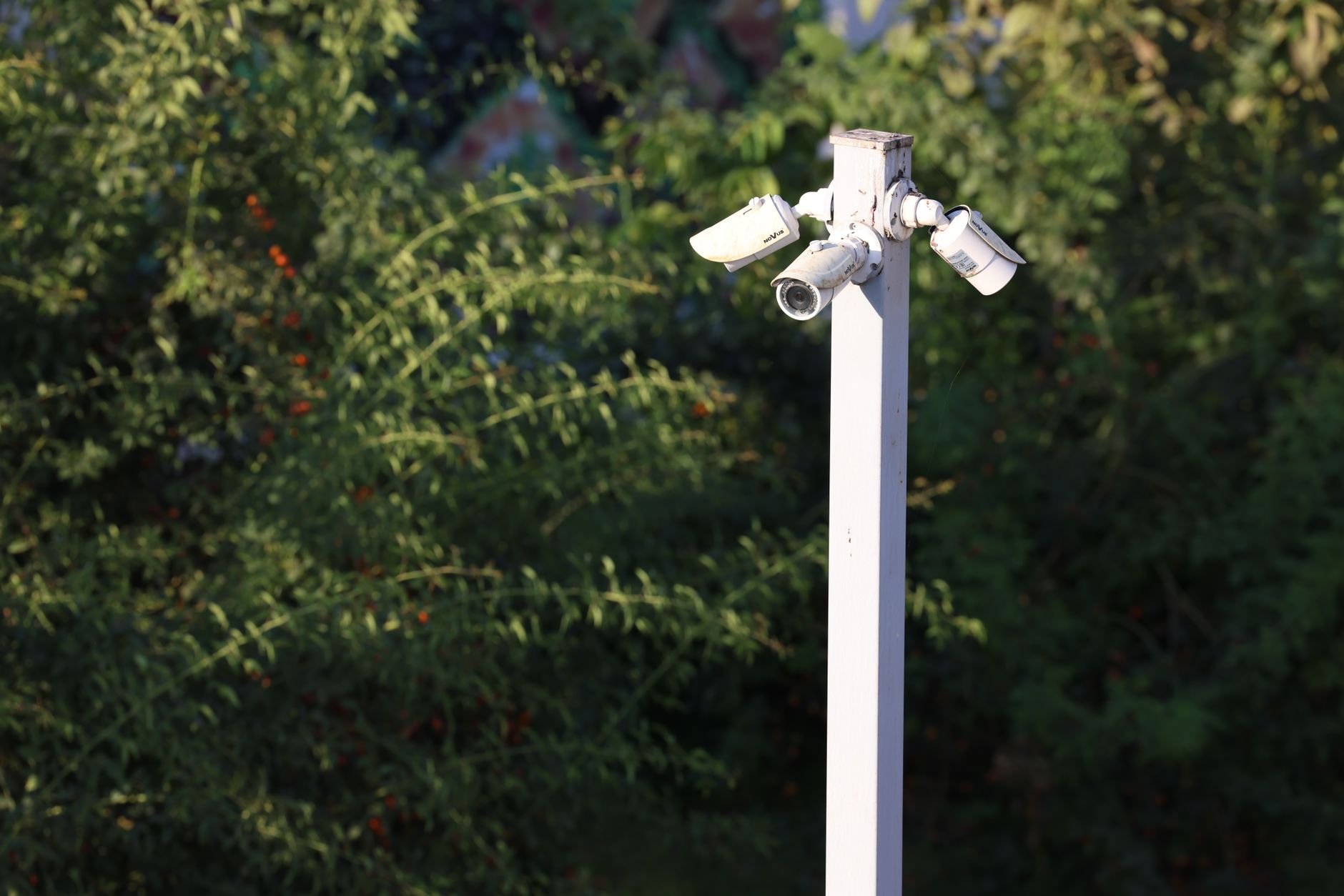
Detection runs at the edge. On-device analytics classify heat signatures — human, vehicle, animal — and only verified events wake the visible camera and the uplink, keeping bandwidth and battery for what matters. An alarm reaches the duty station with coordinates, a thermal clip, and a visible-light confirmation image; the sentries’ overlapping fields of view close the shadow zones that defeated the old camera points, and the unit can slew any position onto a neighbor’s alarm for a second angle.
What the Thermal Solution Changed
- The section is watched continuously. Coverage went from a few patrol passes per shift to 24/7 observation of every approach corridor, including the night hours the old system effectively skipped.
- Detection range extended sharply. Human-sized targets are detected at distances the legacy daylight cameras could never reach — two kilometers and beyond in open terrain, before a subject reaches the line’s sensitive zones.
- False dispatches collapsed. Edge classification filters wildlife and weather; teams now drive out for confirmed events, and the duty log shows false alarms down by roughly 85% against the old motion-detection cameras.
- Patrols became response, not presence. Patrol effort shifted from routine sweeps to targeted interception and maintenance, with the same headcount covering a section that previously strained it.
Module Selection Notes
Sentry duty needs a radiometric LWIR core with long detection range, low power draw for solar operation, and a digital interface edge analytics can consume directly. The SPECTRA L12T 1280×1024 LWIR core delivers maximum range per position; pair it with a visible block such as the SPECTRA V19A for dual-spectrum confirmation. See the border security application page for sentry network patterns.
Designing an electronic sentry line or upgrading a perimeter network? Talk to our engineers about core selection, optics, and edge integration.