High-bay automated warehouses are among the hardest buildings in the world to protect from fire. Racking rises 20 meters or more, the air volume is enormous, sprinklers sit far above the goods, and ceiling smoke detectors wait for smoke that must first climb through layers of rack structure. By the time a ceiling detector trips, a pallet fire has usually been burning for many minutes — and in an automated storage and retrieval system, the burning pallet may be anywhere in a canyon of steel.
This case looks at how a logistics operator added a fixed radiometric thermal layer above its high-bay aisles, and why temperature turned out to be a much earlier signal than smoke.
Project Background
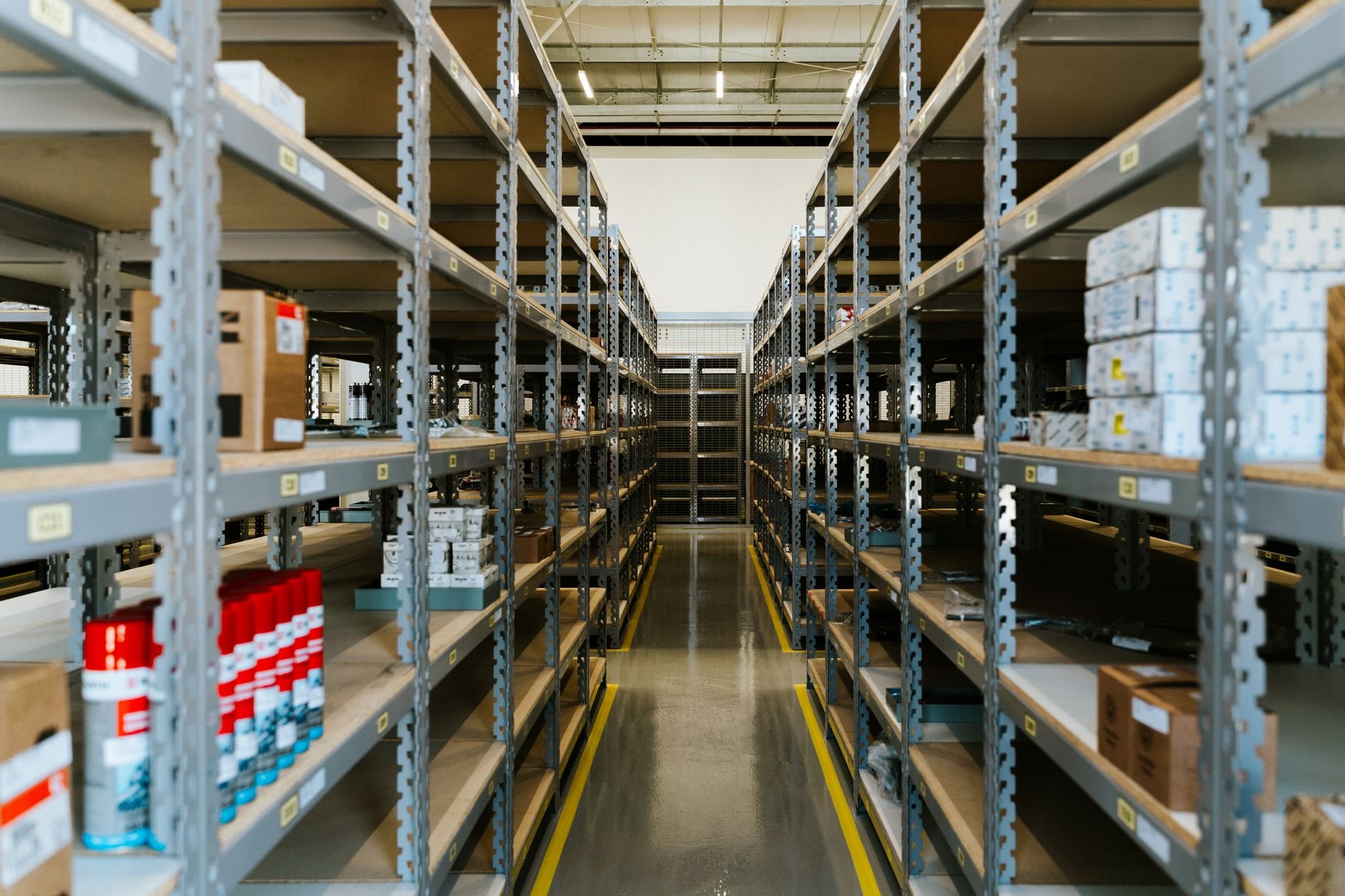
In 2024, a third-party logistics operator in East China commissioned a new fulfillment center whose centerpiece was a 24-meter high-bay AS/RS warehouse: nine aisles, roughly 40,000 pallet positions, largely lights-out operation. The goods mix was typical e-commerce — cartons, plastics, textiles — a high fire load wrapped in packaging that burns eagerly once started. The insurer’s fire engineering review had been blunt: ceiling smoke detection at 24 meters would confirm a fire, not catch one, and the combination of vertical flues between racks and slow ceiling response made early detection the weakest link in the design. The operator piloted fixed thermal cameras covering four aisles.
Pain Points of the Traditional Approach
- Ceiling detection is structurally late. Smoke from a pallet smoldering at level 3 must rise through the rack flues and stratified warm air to reach a detector 20 meters above. In tests and in real incidents, that takes minutes to tens of minutes.
- Beam detectors struggle with the geometry. Rack uprights, moving cranes, and swaying loads interrupt beams; installers end up with coverage compromises everywhere.
- The fire moves while you search. In an AS/RS, a crane can deliver a smoldering inbound pallet deep into the rack — the seat of the fire relocates, and first responders face a steel maze.
- Sprinklers are a last resort, not a plan. They are designed to control a developed fire, and they bring their own cost: water damage across many pallet positions and days of downtime in an automated facility.
The Thermal Imaging Solution
The pilot mounted radiometric LWIR cameras on the end frames of each aisle, looking down the full length of the racking. Each camera’s 1280×1024 radiometric array covers thousands of pallet positions in one field of view, with enough pixels per pallet face to see a small hot region forming inside or behind the cartons — smoldering announces itself thermally long before open flame.
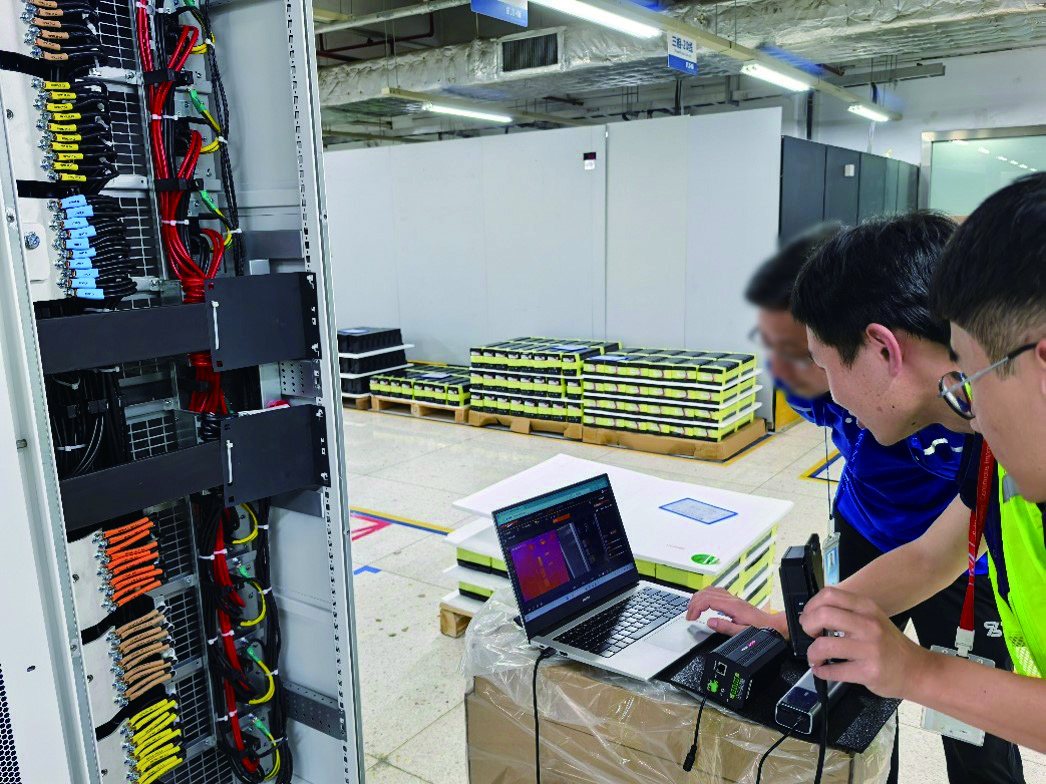
The analytics run two detections in parallel. Absolute alarms watch the machinery: crane drive units, motor cabinets, and charging contacts have known normal temperatures, and a drive running 15°C above baseline gets a maintenance work order. Relative alarms watch the goods: any region warming abnormally against its neighbors and its own history, especially one that keeps warming after the crane has left, is escalated to the control room with the exact rack address — aisle, column, level — ready for response.
What the Thermal Solution Changed
- Smoldering became visible. The system now flags warming pallet positions at the tens-of-degrees stage — the phase where a bad battery in a returns carton or a friction-heated load can still be pulled out and dealt with outside the rack.
- Machinery faults surfaced early. Three overheating crane drive units were caught in the first six months, each repaired in a planned window instead of failing mid-shift with a loaded crane stopped in the aisle.
- Response got an address. Alarms arrive with a rack coordinate, not a zone; the duty team reviews the thermal image of the exact pallet face before dispatching anyone.
- The insurer signed off. The thermal layer closed the early-detection gap identified in the fire engineering review, and the pilot aisles’ premium treatment improved accordingly.
Module Selection Notes
High-bay fire watch needs a radiometric LWIR core with enough pixels to put useful resolution on every pallet face at aisle length, stable output across a warehouse’s daily temperature swing, and an Ethernet interface for the monitoring server. The SPECTRA L12T 1280×1024 LWIR core covers a full aisle from the end frame; the SPECTRA L06T2 640×512 core suits shorter aisles or tighter budgets. See the fire detection application page for related deployment patterns.
Protecting a high-bay warehouse or an automated logistics facility? Talk to our engineers about core selection, optics, and monitoring integration.