A cow with a fever is a cow losing money, and she has been losing it for days before anyone notices. By the time mastitis shows in the milk, or lameness shows in the walk, or pneumonia shows in the breathing, the disease has a head start measured in days of treatment cost, lost yield and contagion risk. The fever itself arrives first — the body raises its temperature before the symptoms raise their flags — and a thermal camera at the right chokepoint reads that rise on every animal, every day, without touching a single one. Herd health, in other words, is a screening problem, and screening is what radiometric imaging does.
This case looks at how a large dairy operation moved herd health from scheduled rounds to continuous thermal screening at the milking parlor.
Project Background
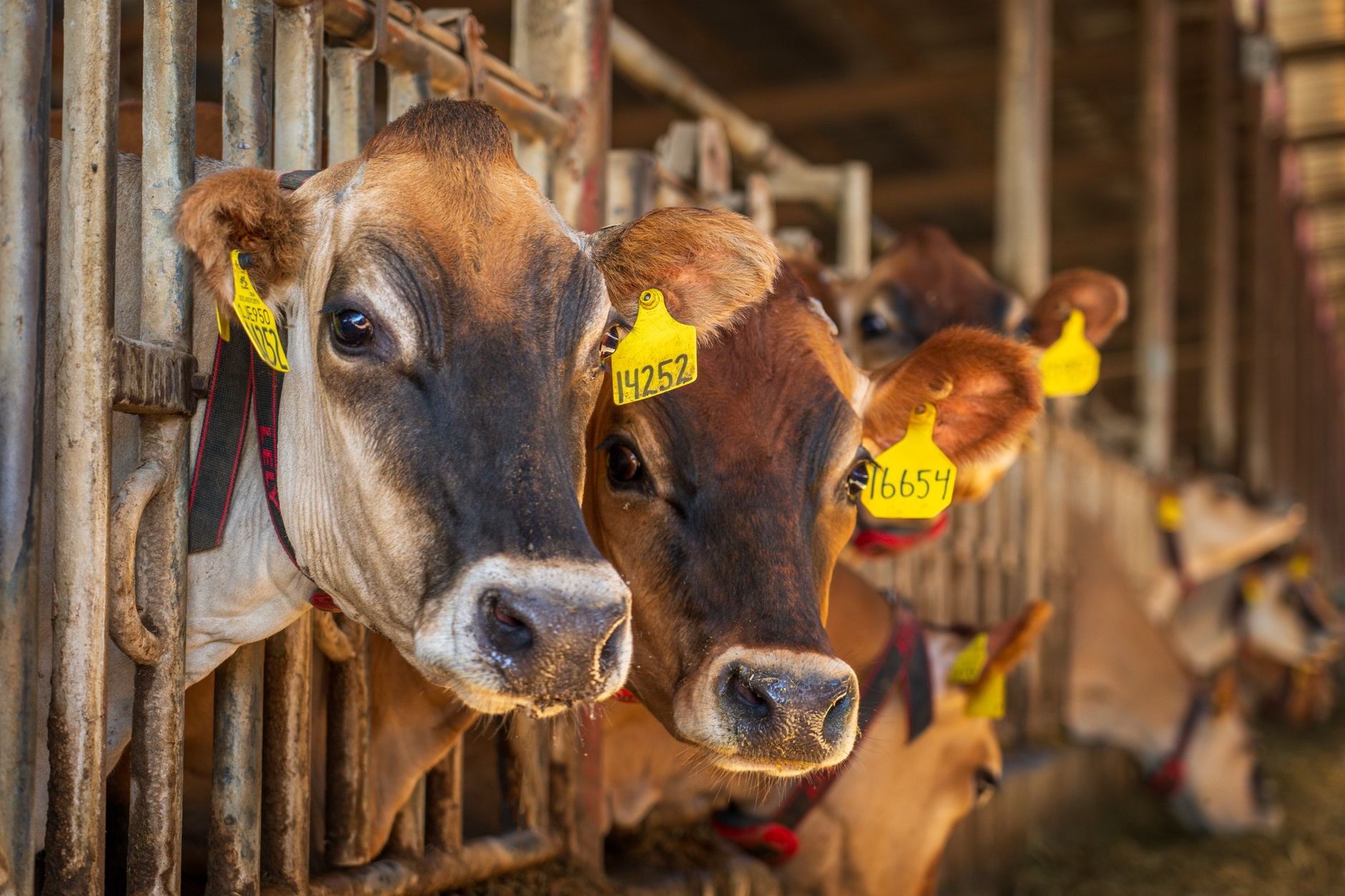
In 2025, a dairy operation in north China — a herd of roughly two thousand milking cows across four barns — reviewed its health economics with its veterinarians. The pattern was familiar to every large herd: disease detection ran on the herdsman’s eye during milking and feeding rounds, backed by rectal temperatures for the suspects. The eye is good but staffed; on a two-thousand-cow herd, a case was typically flagged at the visible-symptom stage, two to four days into the fever. The veterinarians’ modeling said the early-detection gap was the herd’s largest recoverable health cost — treatment is cheaper, shorter and more successful in the first day of fever, and contagious disease spreads less when the index case is found first. The operation approved a thermal screening pilot: radiometric cameras at the exit race of the milking parlor — the one place every cow passes, twice a day, in single file — plus coverage over the calving and hospital pens.
Pain Points of the Traditional Approach
- The eye finds symptoms, not fever. A herdsman notices the cow that looks wrong; the fever that precedes “wrong” by two to four days is invisible to every sense except touch — and nobody takes two thousand rectal temperatures a day.
- Rounds are staffing-dependent. Detection quality rides on the experience and attention of whoever is on shift; weekends, turnover and busy seasons thin exactly the skill the system depends on.
- Late detection costs compound. A case treated at day three of fever costs more drugs, more milk discarded, more relapse — and in contagious disease, more herdmates exposed in the interim.
- The highest-risk animals get the least attention. Fresh cows in the days after calving — the herd’s peak disease window — are exactly the animals a busy round gives a glance rather than an examination.
The Thermal Imaging Solution
The pilot put radiometric cameras where the herd has no choice but to be measured. At the parlor exit race, a camera views each cow as she files past — eye region and body — twice a day, every day; the software reads the temperature signature, tracks each animal against her own baseline, and flags cows whose reading steps out of their personal normal. The morning’s exception list is on the veterinarian’s tablet before the herd finishes milking: cow number, pen, reading, trend. The herdsman’s round didn’t disappear — it got an agenda, walking directly to the flagged animals with a thermometer and a reason.
Over the calving pens, a second camera watches continuously. Fresh cows in the critical post-calving window are screened without being disturbed — no restraint, no handling stress on an animal already under physiological load — and the first fever of a metritis case registers on the thermal record while the cow still looks fine to every other observer. The hospital pen rounds out the loop: treatment response is visible in the temperature trend, so the veterinarian sees recovery — or its absence — day by day without adding handling.
What the Thermal Solution Changed
- Detection moved from symptoms to fever. Flagged cases now reach the veterinarian one to three days earlier than rounds alone found them; early-treatment cases resolve faster and discard less milk.
- Screening became continuous and equal. Every cow is measured twice daily — weekends, holidays and busy seasons included; detection quality no longer rides on who is on shift.
- Fresh cows got a dedicated watch. The post-calving window — the herd’s peak risk period — is under continuous observation; metritis cases are flagged at first fever instead of first refusal to eat.
- Treatment response is measured, not guessed. Hospital-pen trends show whether a case is resolving; the veterinarian adjusts on evidence from the animal’s own temperature record.
Module Selection Notes
Livestock screening asks for radiometric cores that read reliably on moving animals at short range, run unattended through a barn’s dust and humidity, and integrate with management software over standard interfaces. The SPECTRA L06T2 640×512 LWIR module is the barn-proven choice for fixed screening points, with the sensitivity to read a fever signature on a walking cow. For handheld rounds and veterinary examination, the SPECTRA L04T 640×512 module brings the same imaging quality to a portable instrument. See the agriculture application page for livestock and crop monitoring patterns.
Running a dairy or livestock operation? Talk to our engineers about screening-point design and software integration.