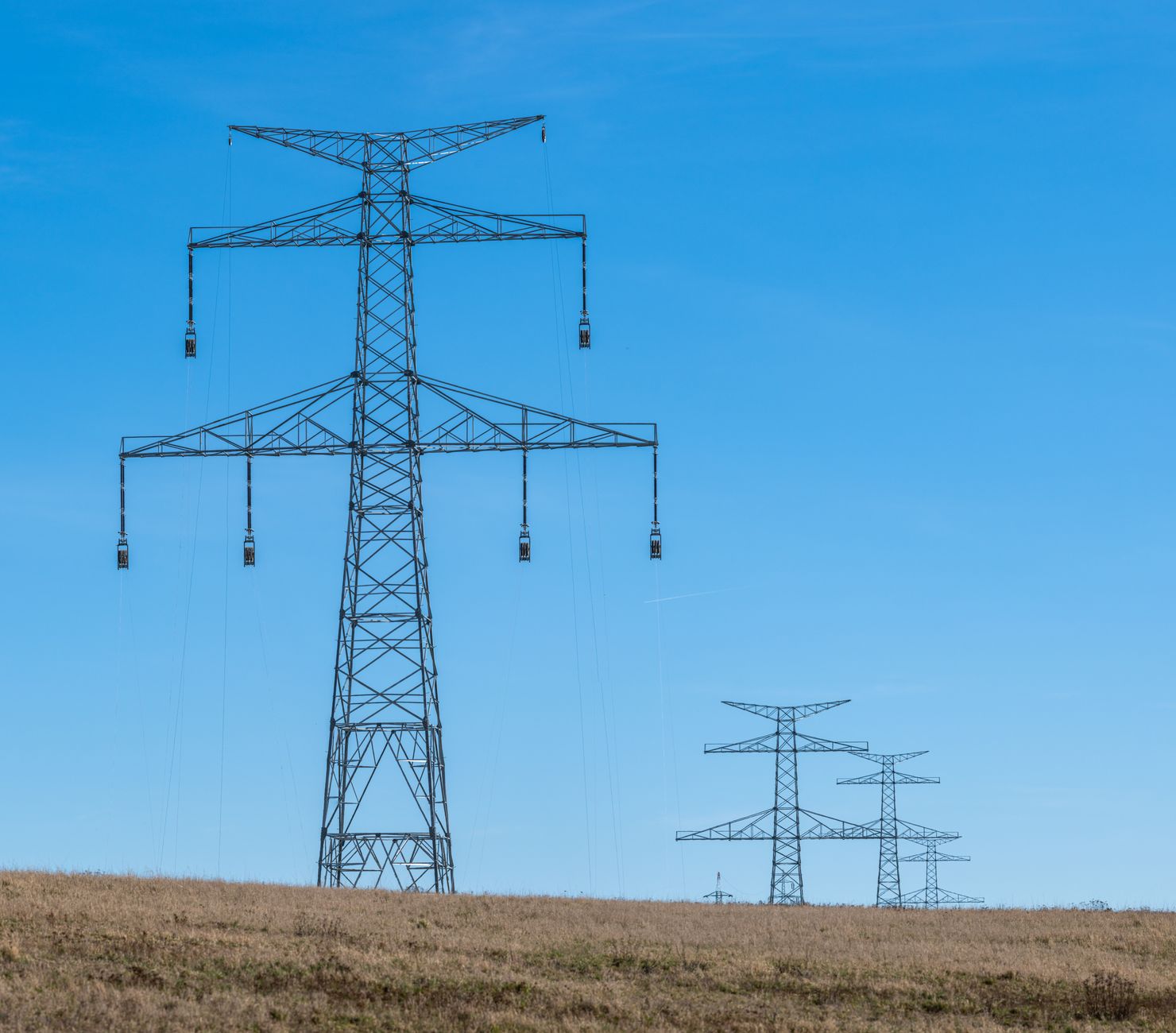
A wind turbine is a machine that tries to hide its problems a hundred meters in the air. Blade damage starts under the surface — delamination, bonding failures, water ingress — invisible until it grows expensive. Drivetrain bearings announce their wear thermally, but the nacelle that houses them is reachable only by climbing. The traditional answer to both was rope access teams and scheduled climbs: slow, weather-bound, and expensive enough that inspections happened on the calendar rather than on suspicion. A drone with the right cameras changes that arithmetic completely.
This case study looks at how a wind farm operator built drone-borne thermal imaging into its inspection program, and what the thermal channel added to a visual-only drone workflow.
Project Background
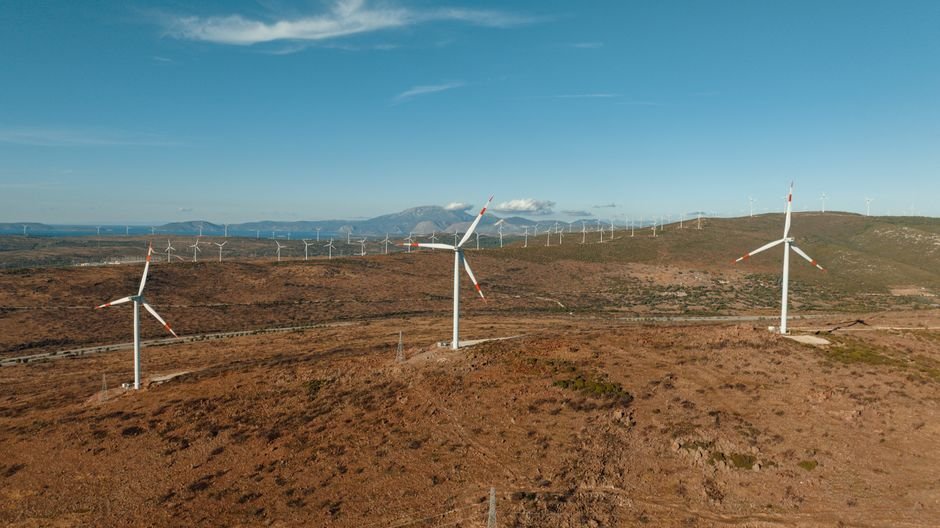
In 2023, the operations team of a wind power company in northern China — running over 200 turbines across three hillside wind farms — reviewed its inspection costs. Blades were inspected by rope access on a multi-year rotation; a full-fleet cycle took more than two years, so a defect that developed just after a blade’s inspection had years to grow. The team had already adopted visual drones for blade photography, which compressed the cycle — but visual imaging still missed the defects that matter most early: subsurface delamination and bonding failures that simply do not show on the surface yet. On the drivetrain side, gearbox and generator bearings were monitored by vibration and oil analysis, which worked well — but each suspect reading still triggered a climb to confirm. The operator approved a drone-borne thermal pilot: adding a radiometric thermal channel to the blade inspection flights, and using thermal passes over the nacelle to triage drivetrain alarms before committing a climb crew.
Pain Points of the Traditional Approach
- Rope access made blade inspection a calendar decision. The cost and logistics of rope teams set the inspection interval, not the condition of the blades; defects grew in the gaps.
- Visual drones saw surfaces only. Photography found cracks and erosion once they reached the surface — but delamination and water ingress spend their early, repairable life invisible.
- Every drivetrain alarm meant a climb. Vibration and oil-analysis flags had to be confirmed in the nacelle; many climbs found nothing, and each one cost half a day and a shutdown.
- Weather windows governed everything. Rope access and climbs both demanded low-wind days; in the windy season — when the fleet earned its keep — inspection effectively stopped.
The Thermal Imaging Solution
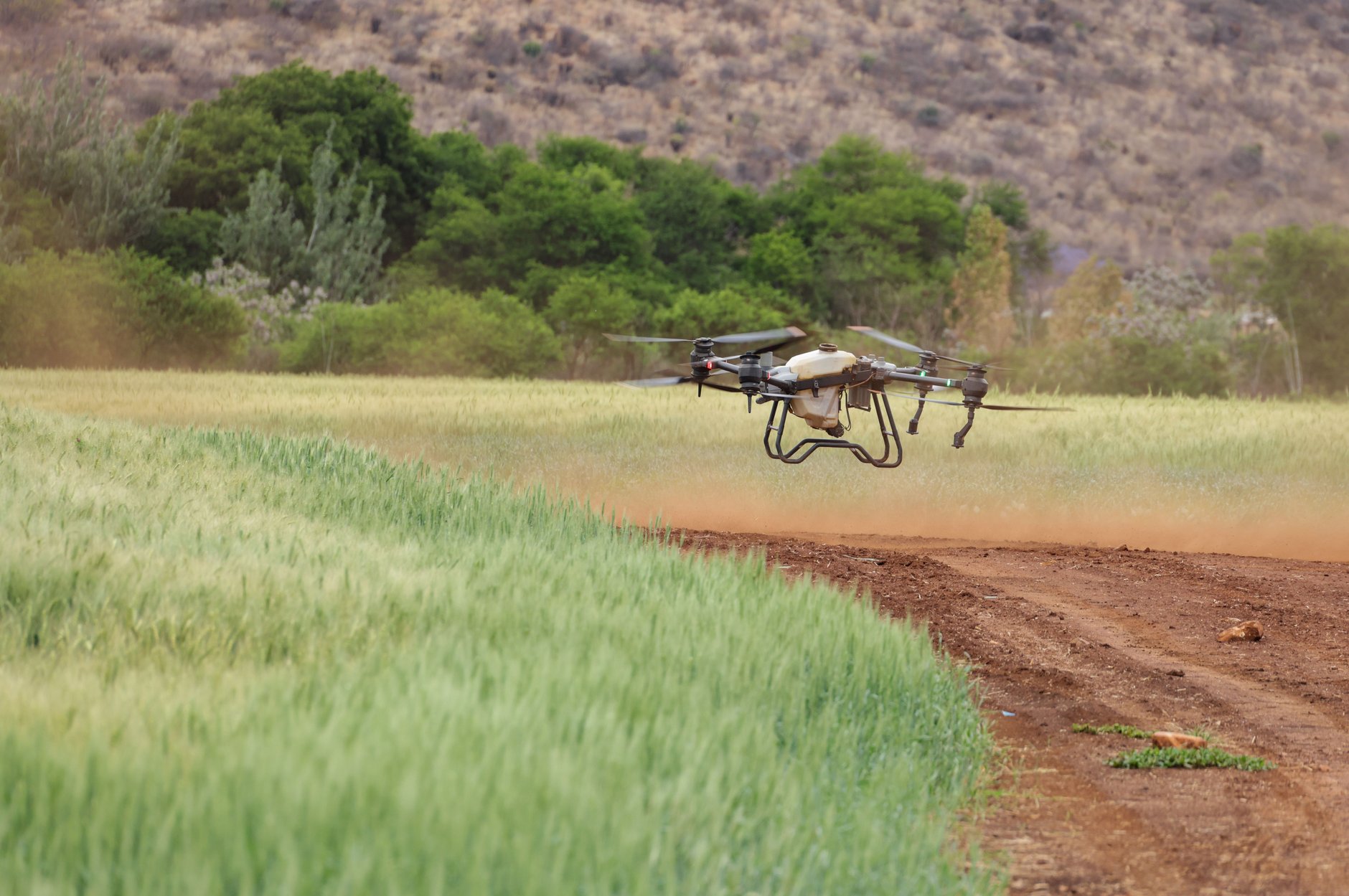
The thermal channel was added to the existing drone inspection program in two roles. For blades, the drone flies its standard visual pass with a radiometric thermal camera recording alongside: subsurface defects alter how the blade skin heats and cools in sunlight, so delamination and water-filled sections appear as thermal anomalies even when the surface looks perfect. The flight is the same flight — the thermal pass adds minutes, not days — but the defect catch moves forward by months or years.
For the drivetrain, a turbine flagged by vibration or oil analysis now gets a thermal pass first: the drone orbits the nacelle and reads the temperature distribution across the gearbox and generator housings. A healthy unit shows an even thermal signature; a failing bearing shows as a localized hot zone. Most alarms are cleared from the ground — and when a hot zone confirms a problem, the climb crew goes up knowing exactly what they will find and carrying the right parts.
Both roles exploit the same advantage: the thermal camera needs no contact, no shutdown beyond a brief curtailment, and no weather worse than the drone itself can fly in.
What the Thermal Solution Changed
- Subsurface blade defects moved from invisible to routine finds. In the first two seasons, thermal passes identified fourteen blades with delamination or water-ingress signatures that visual imaging had not yet shown — all repaired under warranty or at low-cost early stage rather than after surface failure.
- Drivetrain confirmation climbs fell by more than half. Most vibration and oil-analysis alarms are now triaged by a ten-minute thermal pass; climb crews go up only for confirmed problems, with the hot zone already mapped.
- The inspection calendar became condition-driven. Blade re-inspection intervals are set by what the data shows, not by the rope-access budget; suspect blades get flown again in weeks, not years.
- Windy-season inspection stopped being a write-off. Drone thermal passes fly in conditions that ground rope teams, so the fleet’s highest-production season no longer means zero inspection.
Module Selection Notes
Drone-borne inspection is SWaP discipline: the thermal payload must be a light, low-power uncooled core with radiometric output stable enough for defect comparison across a blade. The SPECTRA L04T 384×288 shutterless LWIR module is the compact radiometric core for this duty — shutterless operation keeps the thermal record continuous through the flight; the SPECTRA L06T2 640×512 module fits platforms with more payload budget. See the UAV application page for inspection payload patterns.
Building a drone inspection payload for wind, solar or transmission assets? Talk to our engineers about core selection, SWaP budgets and radiometric integration.