Forest fire response is a race measured in the first thirty minutes. A ground fire caught while it still fits in a clearing is a crew with hand tools; the same fire found an hour later is an air tanker and an evacuation order. Yet the traditional detection chain — a human lookout watching for a smoke column — only starts that clock after the fire is already producing visible smoke, in daylight, in clear air.
This case looks at how a county forestry bureau moved its watchtower network from binoculars and smoke to thermal imaging, and what detection at the heat stage changed.
Project Background
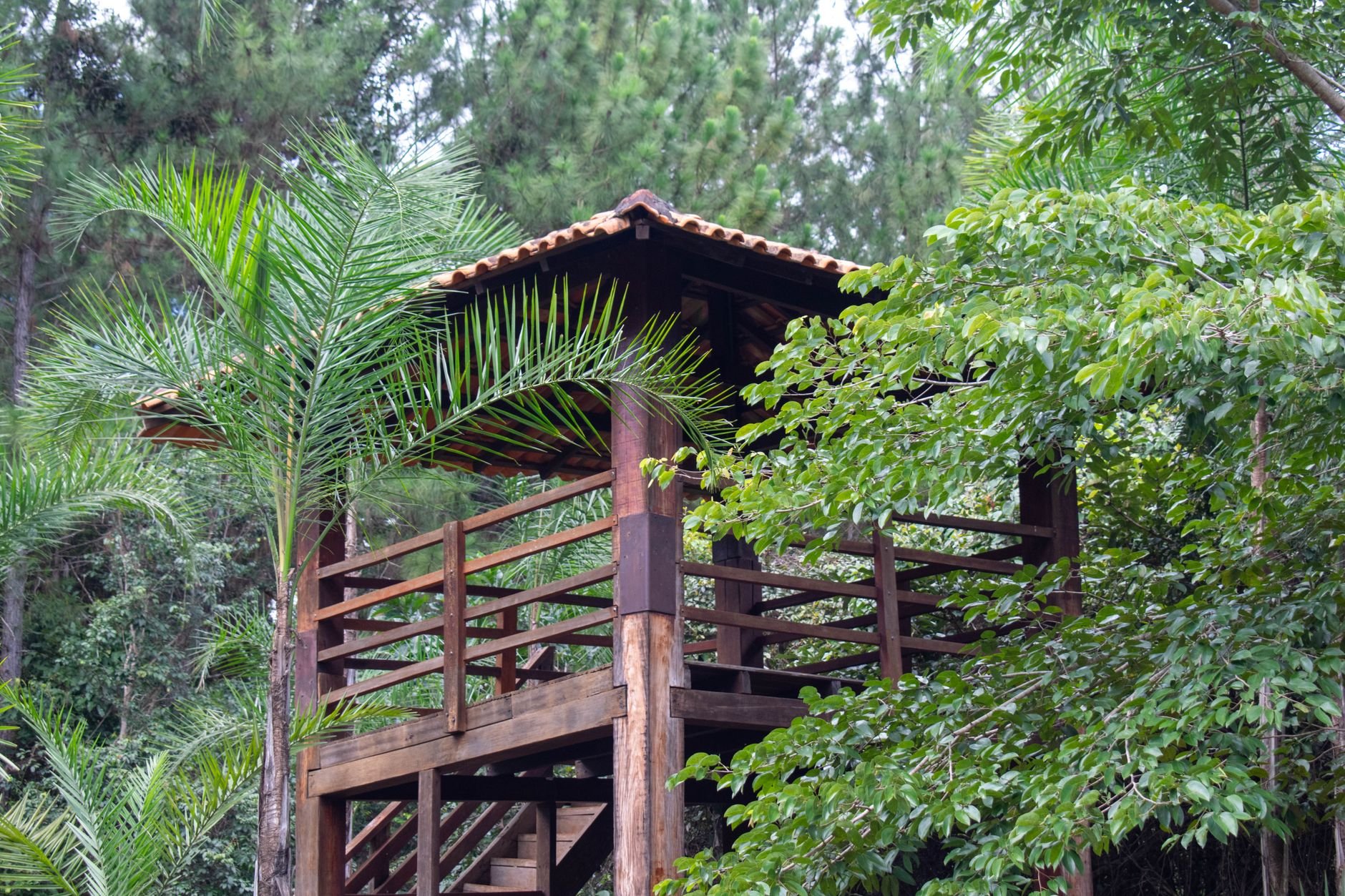
In 2023, a county forestry bureau in Southwest China was responsible for about 180,000 hectares of mixed conifer plantation and natural forest, much of it on steep terrain with a long, dry fire season. Its detection network was eleven manned watchtowers with binoculars, supplemented by public hotline reports — a system whose blind spots were well known: nighttime, morning haze in the valleys, and the deep-canopy fires that smolder for hours before crowning. After a fire the previous season burned 40 hectares before a passing farmer phoned it in at dawn — a fire the post-incident timeline showed had started the previous evening — the bureau funded a thermal upgrade for all eleven towers.
Pain Points of the Traditional Approach
- Smoke is a late-stage symptom. A lookout sees a fire when it produces a visible column — typically well after ignition, and in dry windy conditions possibly after the fire is already running.
- Half the day is blind. Nighttime detection was effectively zero; the previous season’s most damaging fire grew for hours in the dark before dawn smoke gave it away.
- Haze hides what binoculars seek. Valley haze and harvest-season burning create exactly the visual clutter in which a thin smoke column disappears — and the false alarms that wear lookouts down.
- Human coverage doesn’t scale. Eleven towers with overlapping viewsheds still left shadow zones behind ridgelines, and lookout fatigue in a ten-hour shift is real.
The Thermal Imaging Solution
Each tower received a PTZ unit carrying a radiometric LWIR core behind a long-lens optic, sweeping its assigned viewshed in a continuous programmed tour. The thermal channel sees heat, not smoke: a hectare-sized smoldering ground fire at five kilometers is a bright anomaly against cool night forest, detectable in full darkness and through light haze that would hide smoke entirely.
Detection analytics run at the county operations center. The software compares each sweep against the same viewpoints’ thermal history, filtering out the known heat sources — farmhouses, roads, quarry faces — that generate false alarms, and geolocates genuine anomalies against the terrain model. An alarm lands on the duty screen with coordinates, a thermal snapshot, and the nearest crew’s drive time; a visible-light channel on the same PTZ lets the operator confirm smoke before dispatching.
What the Thermal Solution Changed
- Detection moved to the heat stage. Fires are now found while still smoldering or just ignited — in the first full fire season, the network’s median detection-to-ignition gap dropped from hours to under forty minutes.
- The night shift exists. Overnight detection, previously zero, produced the season’s two most valuable catches — both smoldering fires located and extinguished before dawn winds could run them.
- False alarms fell. Thermal history comparison plus visible-light confirmation cut nuisance dispatches sharply; crews now respond to alarms with confidence rather than skepticism.
- Coverage became measurable. The bureau can now map each tower’s real thermal viewshed against terrain, and repositioned two towers whose paper coverage had overstated what they could actually see.
Module Selection Notes
Watchtower duty needs a radiometric LWIR core with detection range measured in kilometers, stable calibration through day-night temperature swings, and PTZ integration with georeferenced positioning. The SPECTRA L12T 1280×1024 LWIR core behind a telephoto optic covers wide viewsheds from a single tower; the SPECTRA L06T2 640×512 core suits shorter-range towers and tighter budgets. See the fire detection application page for network patterns.
Upgrading a watchtower network or building a forest fire early-warning system? Talk to our engineers about core selection, optics, and detection integration.