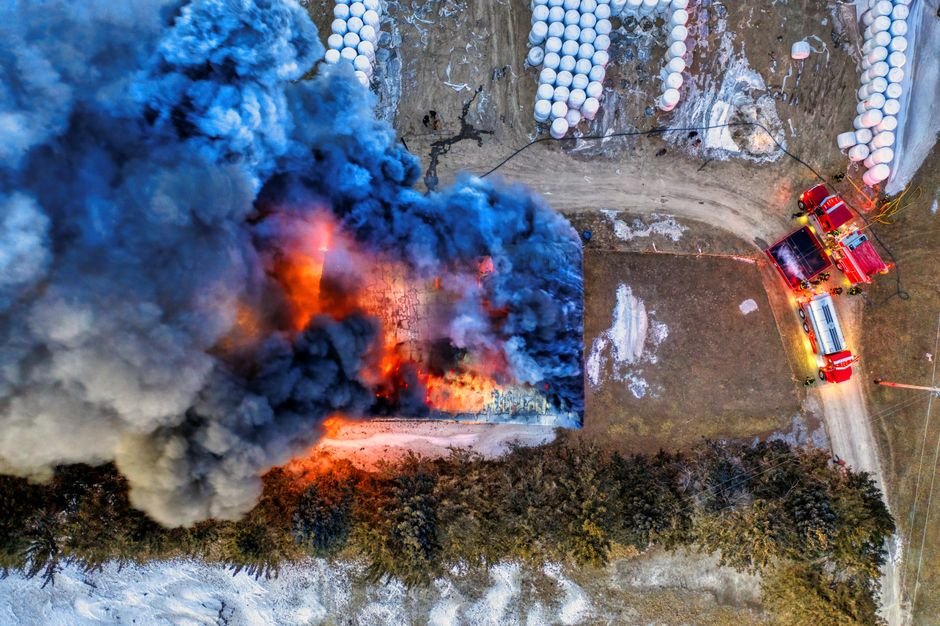
Coal oxidizes in contact with air, and oxidation is exothermic. In a stockpile, that heat can’t always escape: porous zones act as chimneys, internal temperature climbs, the reaction accelerates, and the pile eventually smolders — sometimes weeks after the coal was stacked. By the time smoke is visible, the fire is already deep inside the pile and expensive to dig out.
This case covers a coal yard that replaced walk-around inspections with fixed thermal surveillance of the entire stockyard, using cameras built around OEM thermal cores.
Project Background
In the spring of 2024, a coal-fired power plant in North China — two 660 MW units with an open stockyard holding roughly 300,000 tonnes — logged its third smoldering event in two years. The yard stores a mix of high-volatile Indonesian and domestic coals, some stacked for more than a month during low-load seasons. Daily walk-around inspection with a handheld camera was the only early-warning measure, and each event had been caught late: by smoke, not by temperature.
Pain Points of the Traditional Approach
The yard’s fire watch was a person with a handheld thermometer, twice a day, reading surface temperatures at accessible points around each pile. The weaknesses were structural:
- The hot zone is inside the pile. Self-heating starts at depth; the surface only warms where air channels happen to vent. A few hand-picked surface points are a lottery, not a survey.
- Weather hides the signal. Rain, wind, and cold nights mask surface heating — exactly the conditions under which nobody wants to walk the yard.
- No history, no trend. A number in a logbook can’t tell you whether 45 °C is stable or was 38 °C last week and climbing.
The Thermal Imaging Solution
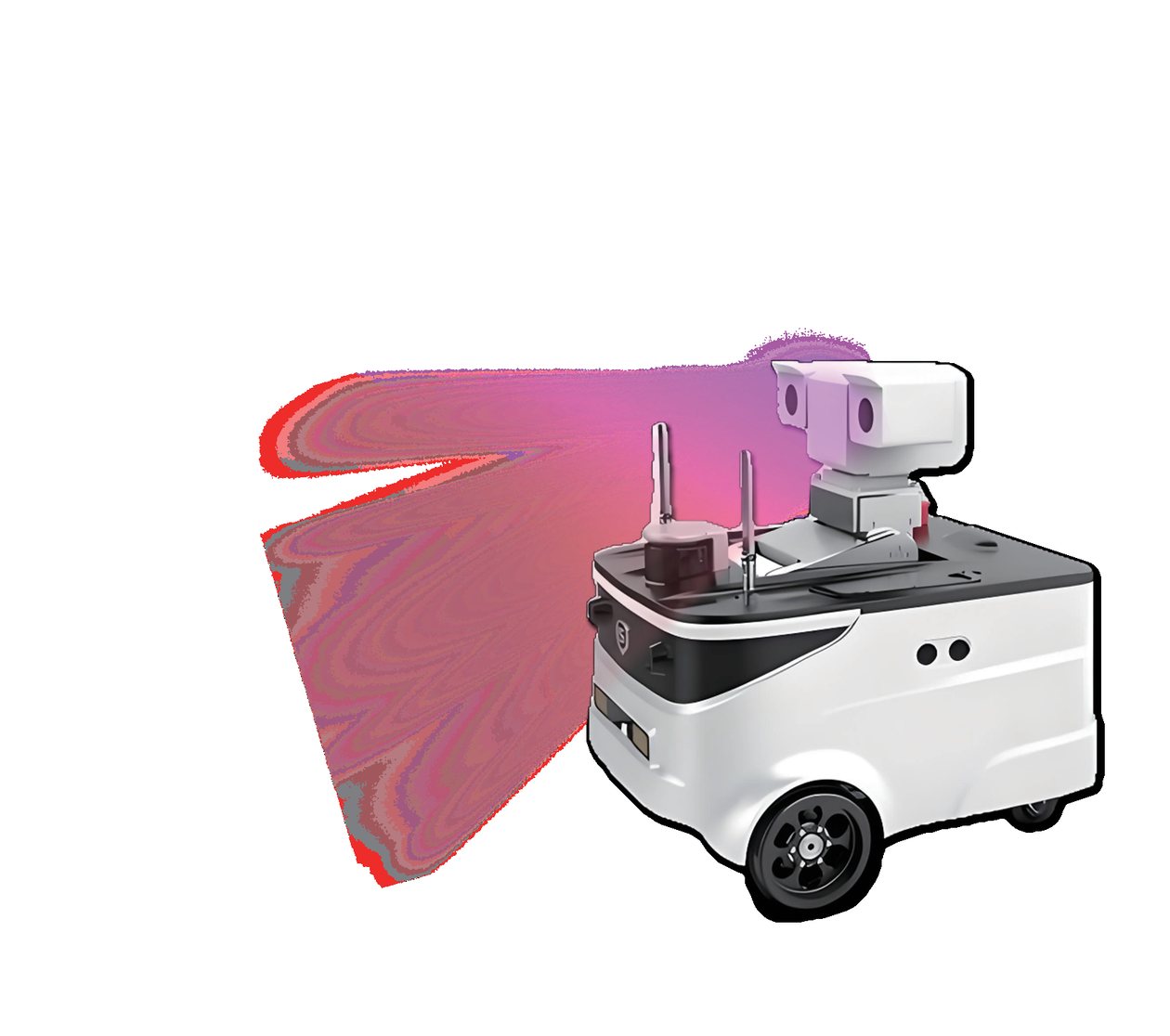
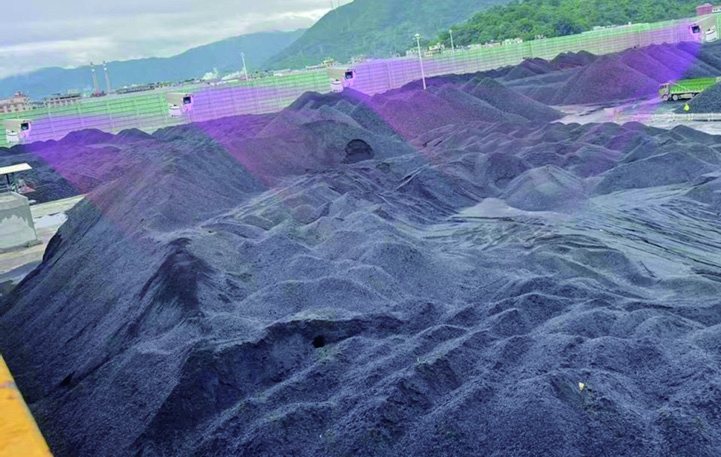
The integrator mounted thermal cameras on the yard’s existing high masts, each covering a sector of the stockyard, built around radiometric LWIR cores with wide-angle lenses. The monitoring platform divides the coverage into pile zones and trends every zone continuously.
Two alarm logic rules do the work:
- Absolute threshold — any zone exceeding the site’s action temperature triggers an immediate alert.
- Rate of rise — a zone warming faster than a set number of degrees per day triggers an early warning, even below the absolute threshold. This catches self-heating while it is still a scheduling problem rather than an emergency.
Operators respond with the yard’s normal tools — targeted sprinkling, or reclaiming the hot zone first — but now aimed at the exact location the thermal map identifies.
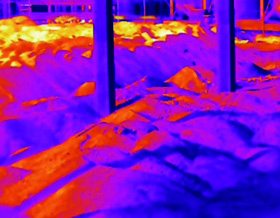
What the Thermal Solution Changed
- Days of warning instead of minutes. Self-heating zones are identified by trend well before smoke, when intervention is still cheap.
- Full coverage in all weather. The cameras watch through night, rain, and dust — the conditions that used to suspend the fire watch.
- Documented due diligence. Continuous logged thermal data supports both safety audits and insurance discussions.
Module Selection Notes
Stockyard surveillance favors wide-coverage radiometric cores on fixed mounts. The SPECTRA L06A 640×512 LWIR core with a wide lens covers large pile areas from typical mast heights; the 1280×1024 SPECTRA L12NT stretches coverage per camera when mast positions are limited. Related reading: the fire detection application page.
Planning thermal surveillance for a stockyard or storage facility? Contact our engineers to work out camera positions, lens choices, and core selection.