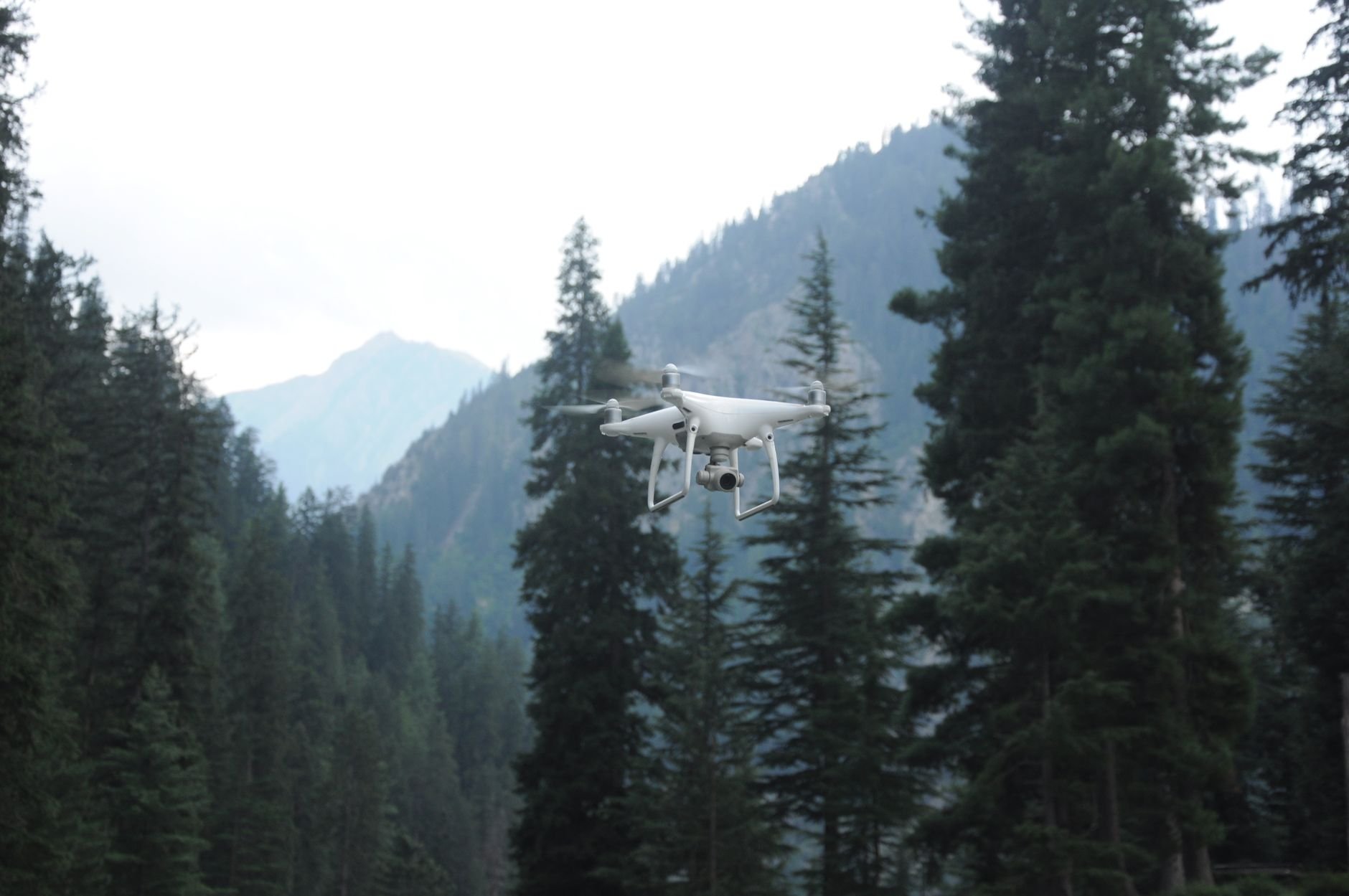
Every drone payload is a negotiation with physics, and the negotiating currency is grams. A payload OEM doesn’t buy a thermal camera; it buys a thermal core — a sensor engine the size of a matchbox — and then earns its margin by turning that core into a product: gimbal, housing, interfaces, software, certification. The core choice echoes through everything that follows. Pick one that needs exotic power, heavy heatsinking or a proprietary interface, and the schedule dies by a thousand cuts. Pick one designed for integration, and the payload practically designs itself around it.
This case follows a payload OEM’s program from core selection to first customer shipment — the decisions that mattered, and the ones they would revisit.
Project Background
In 2024, a UAV payload manufacturer in south China — a company building stabilized gimbal cameras for mapping and public-safety drone platforms — committed to a new dual-sensor payload: a visible camera plus a thermal channel in a sub-500-gram two-axis gimbal, aimed at inspection and search-and-rescue integrators. The thermal channel was the schedule risk. The company’s previous thermal payload had been built around a heavier first-generation core and had shipped late, overweight, and with a fan the field technicians hated. This time the program manager set hard gates: total thermal-channel mass under 80 grams including lens and structure, power under two watts, digital video straight into the company’s existing processor, and radiometric data available for the inspection software. The evaluation shortlisted a 23-gram uncooled core, and the program kicked off with a four-month deadline to first article.
Pain Points of the Traditional Approach
- Heavy cores tax the entire aircraft. Every gram in the payload multiplies through gimbal motors, airframe and battery — an overweight thermal channel costs flight time, which is the number the end customer actually buys.
- Power-hungry cores bring thermal management problems of their own. A core that needs heatsinking and forced air adds mass, noise and a failure point — and a fan on a gimbal is a vibration source on the imaging axis.
- Analog or proprietary interfaces burn engineering months. Bridging chips, custom firmware and non-standard control protocols consume exactly the schedule the product launch doesn’t have.
- Non-radiometric video kills the inspection market. Public-safety buyers may accept a picture, but inspection integrators need temperature data per pixel; a pretty thermal image without radiometry closes the door on the payload’s highest-margin customers.
The Thermal Imaging Solution
The selected core arrived with what the integration team later called the three gifts: mass, power and manners. At 23 grams with its board stack, the core plus a lightweight athermalized lens left mass budget for a proper gimbal structure instead of a desperate diet. Its sub-two-watt draw ran from the payload’s existing power rail with passive cooling only — no fan, no heatsink beyond the housing, nothing to vibrate. And its manners were digital: a standard video interface feeding the company’s processor directly, with a documented serial control protocol that the firmware team wrapped in their existing camera-abstraction layer in days rather than months.
The mechanical integration went where the grams were saved. Because the core needed no airflow, the thermal channel sat in a sealed compartment behind a germanium window — a genuinely weather-sealed payload for the first time in the company’s history. Radiometric output flowed into the inspection software path, so the same payload serves a fire chief watching a hotspot and a utility analyst reading temperatures off every pixel of a recorded flight. The dual-sensor gimbal passed its vibration and thermal-chamber campaigns on the first attempt, and first article shipped inside the four-month gate.
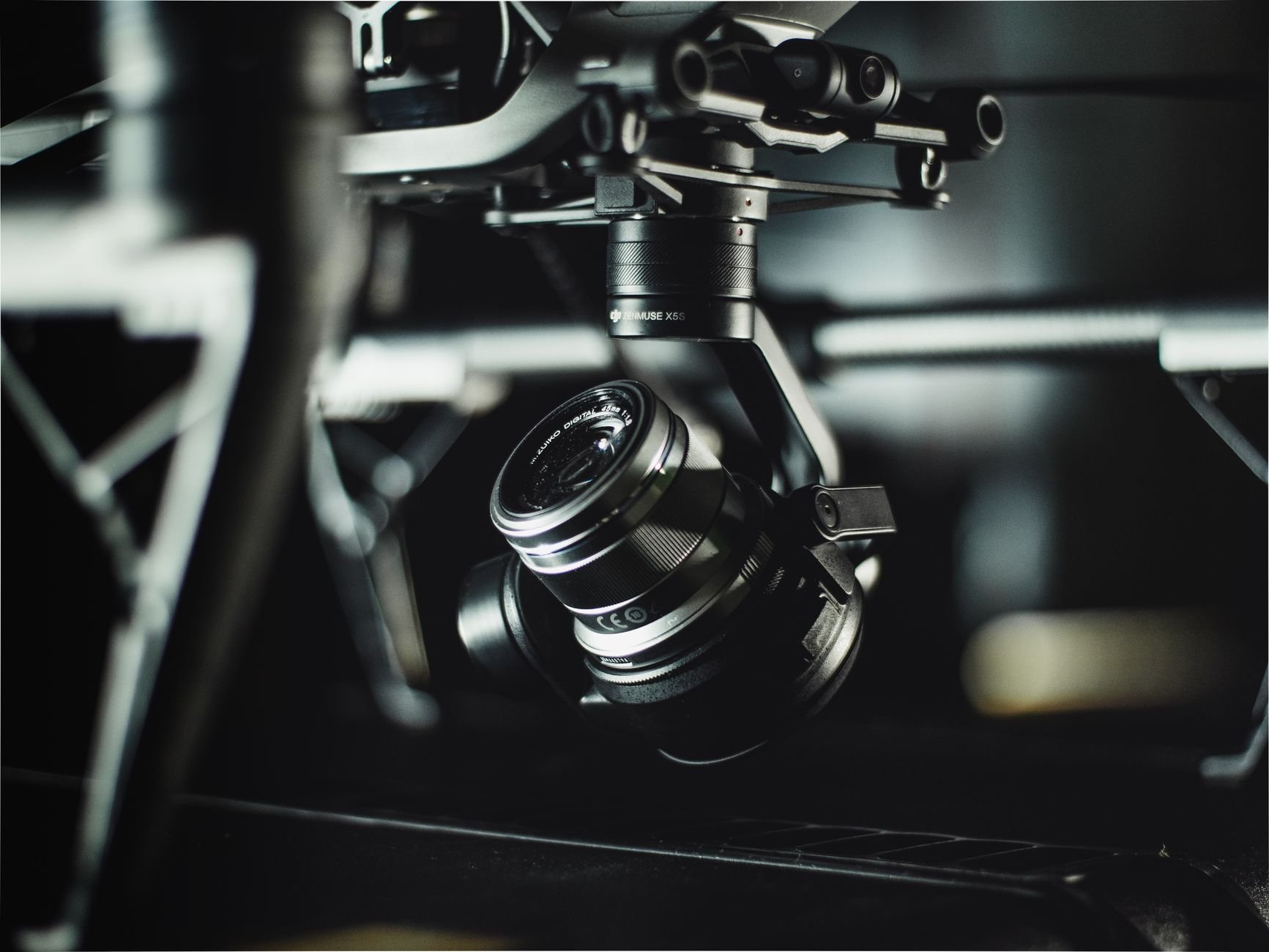
What the Thermal Solution Changed
- The schedule held. First article shipped in four months; the previous core’s integration had taken nine, and the difference was mostly interface and thermal-management work that simply didn’t exist this time.
- Flight time went up, not down. The finished thermal channel came in under its 80-gram budget, and the complete dual-sensor gimbal under its 500-gram gate — customers gained a sensor without losing endurance.
- One payload serves two markets. Radiometric recording opened the inspection segment that the company’s earlier picture-only thermal payload couldn’t address; the same hardware sells to public safety and to utilities.
- Field reliability improved by subtraction. No fan, no heatsink compound, no bridging electronics — the sealed thermal channel removed the top failure items from the previous payload’s warranty log.
Module Selection Notes
Payload integration is a SWaP discipline: the core’s mass, power and interface cleanliness decide the payload’s architecture before the first CAD file opens. The SPECTRA L04U 640×512 LWIR module is built for exactly this duty — 23-gram class, low power, digital video with radiometric data, and a documented control interface. For programs that need longer lenses and finer detail at range, the SPECTRA L04T 640×512 module shares the integration philosophy with more imaging reach. See the UAV application page for airborne integration patterns.
Designing a drone payload or integrating thermal into an existing platform? Talk to our engineers about core selection, interface documentation and evaluation kits.