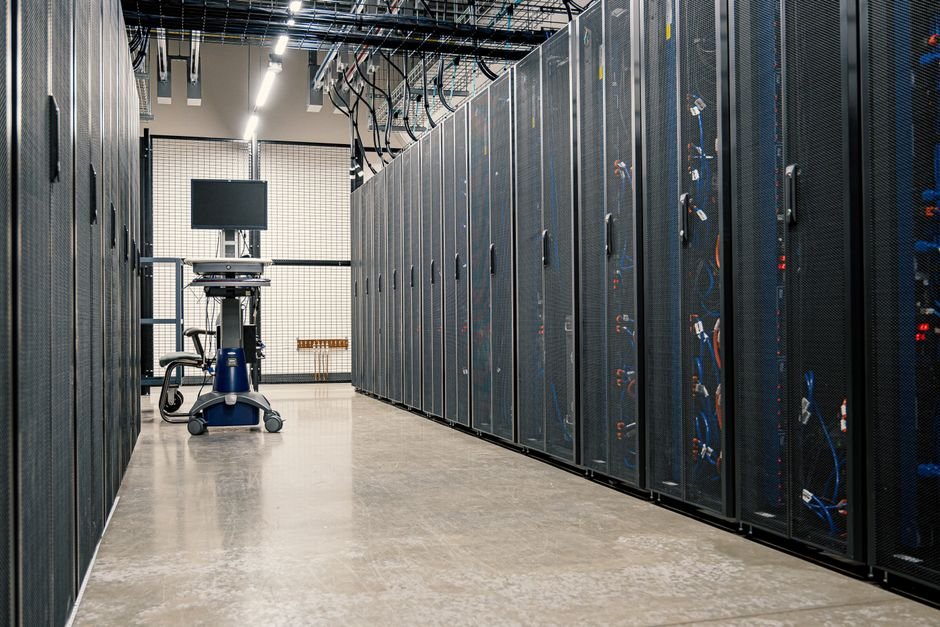
Electrical failures rarely start as arc flashes. They start as a bolt that loosened a quarter-turn. A bolted lug with rising contact resistance converts load current into heat at the joint; the heat oxidizes the contact surfaces further; resistance climbs; the joint runs hotter still. This self-reinforcing loop can run for weeks below the temperature at which anything trips — and then end in a failed UPS cabinet at the worst possible moment.
This case covers a data facility that installed compact thermal cameras inside its UPS and distribution cabinets to watch exactly those joints, using cameras built around OEM thermal cores.
Project Background
In early 2024, the operations team of a colocation data facility in East China — 2,400 racks across three halls — reviewed its electrical maintenance regime after a near-miss: a warming joint in a UPS output cabinet was found by smell during a routine walk, hours before it could have taken down a hall. The facility’s ten UPS and distribution rooms were inspected quarterly by a contracted thermography service, with nothing in between. The team piloted in-cabinet fixed thermal cameras on its four most critical UPS cabinets.
Pain Points of the Traditional Approach
The facility already did infrared inspections — a contractor with a handheld camera, twice a year, opening cabinets and scanning connections. It’s a respected practice, and it still failed them twice:
- The failure window is shorter than the inspection interval. A joint can go from normal to critical in weeks. Semiannual scans are a snapshot of a moving target.
- Load matters. The contractor visits on a Tuesday morning; the cabinet’s thermal signature at full evening load can look completely different. Joints that pass a light-load scan fail a heavy one.
The Thermal Imaging Solution
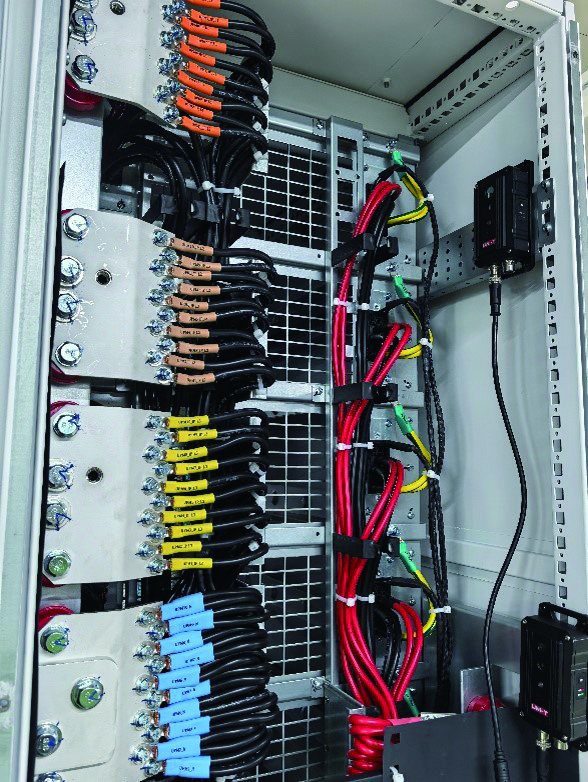
The integrator selected a compact dual-sensor camera — a small radiometric thermal module paired with a visible sensor — mounted inside each cabinet with a clear view of the bus connections and cable lugs. Each lug is defined as a measurement zone in the monitoring software.
The alarm logic mirrors how electricians actually judge connections:
- Absolute temperature — any lug above the action threshold alarms immediately.
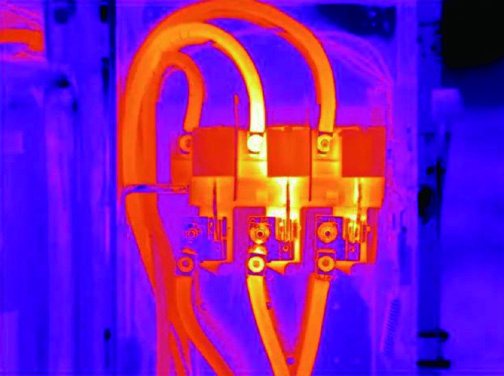
- Phase comparison — in a three-phase cabinet, the same lug on three phases should run at similar temperatures under balanced load. One phase running 10–15 °C hotter than its siblings is a loosening joint, even at modest absolute temperature.
What the Thermal Solution Changed
- Weeks of warning. Loosening joints are caught by trend and phase comparison while they are still a torque-wrench job.
- Measurement at real load. The camera watches the cabinet at full evening load every day, not at whatever load happened during an inspection visit.
- Fewer open cabinets. Energized cabinets stay closed — both an arc-flash safety win and an operations win.
Module Selection Notes
In-cabinet monitoring needs a compact radiometric module with a wide lens for short working distances. Small-format cores in the SPECTRA L04/L06 family cover most cabinet geometries; a dual-band design like the FUSION LV0625A adds a visible channel for documentation in the same housing. See the power inspection application page for more electrical monitoring patterns.
Planning in-cabinet thermal monitoring for UPS or distribution gear? Contact our engineers about compact cores and wide-angle optics.