AI Imaging
All articles filed under AI Imaging — 43 articles.

How Does Infrared Module Power Consumption Affect System Design?
Infrared module power consumption affects power supply, cooling, battery life, enclosure size, startup margin, and OEM reliability.
Read More →
Why Industrial Equipment Inspection Depends on Infrared Thermography
Infrared thermography for industrial equipment inspection helps detect overheating, bearing friction, insulation loss, furnace faults, and maintenance risks.
Read More →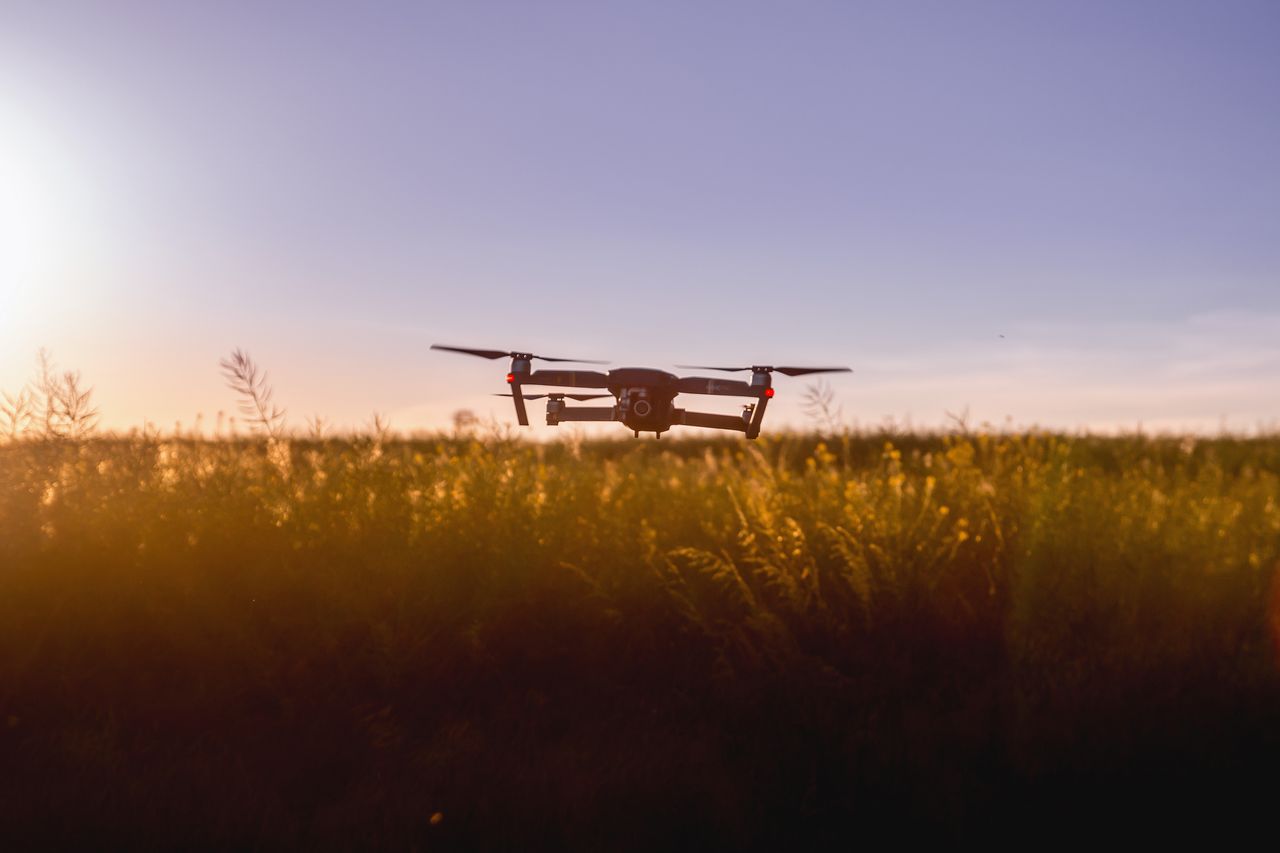
What Application Opportunities Does Thermal Imaging Have in the Low-Altitude Economy?
Low-altitude thermal imaging helps UAV teams detect heat, people, vehicles, faults, and risks in inspection, rescue, security, and city operations.
Read More →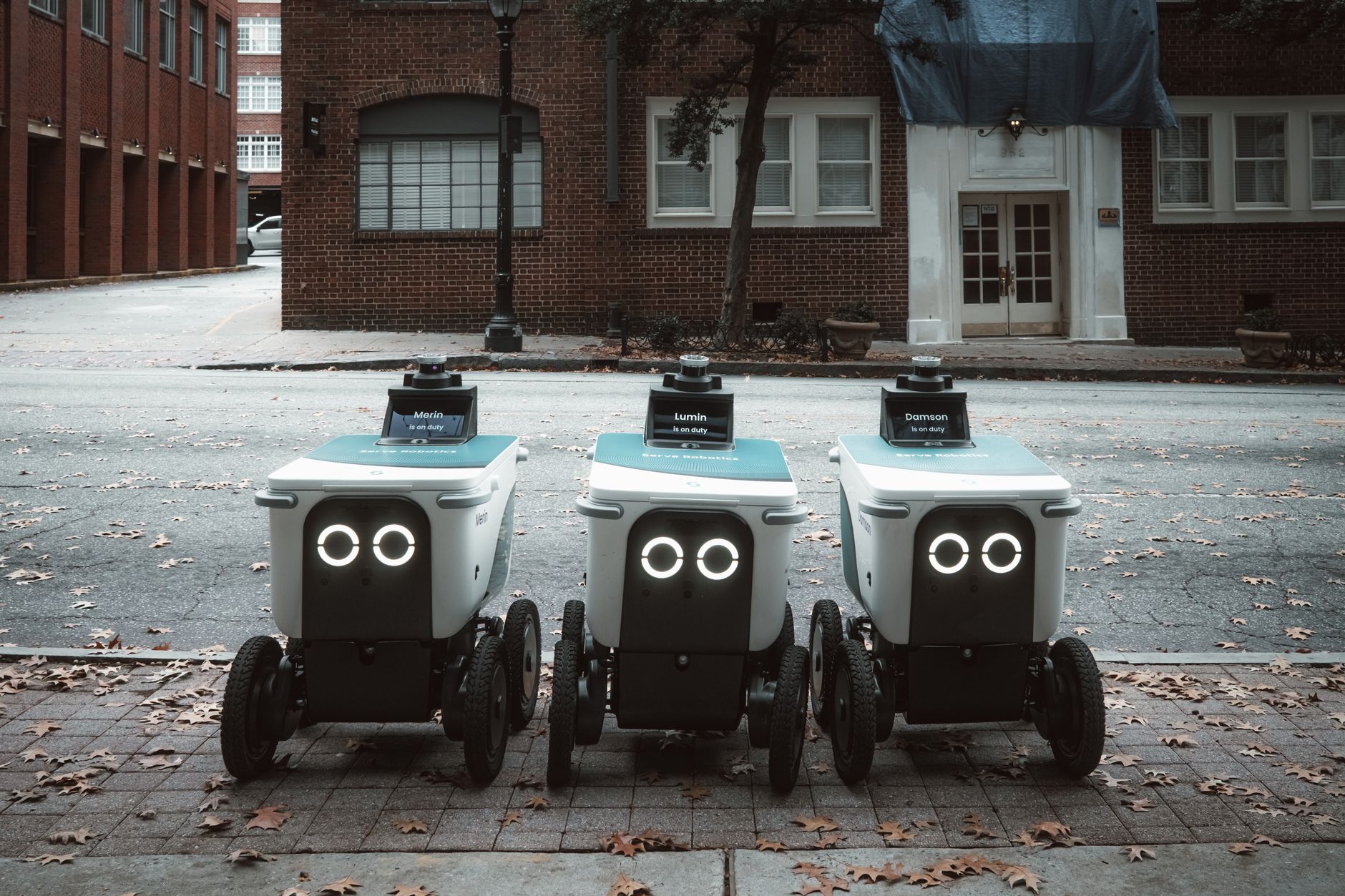
Thermal Imaging for Ground Robots
Thermal imaging for ground robots improves perception in darkness, smoke, dust, and clutter by matching LWIR, MWIR, SWIR, optics, and interfaces to OEM tasks.
Read More →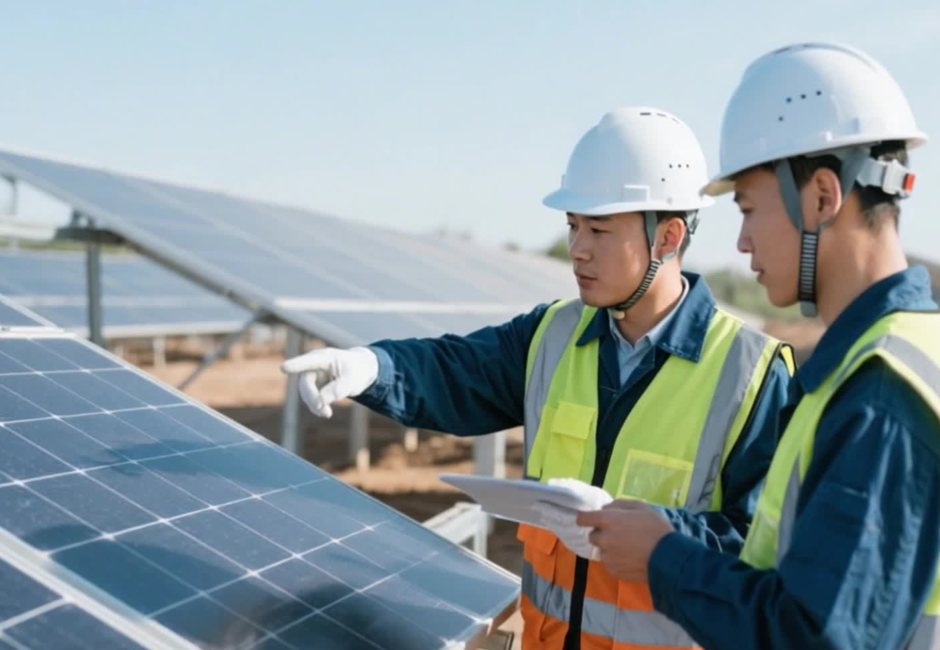
Why Is Infrared Thermography Well Suited for Photovoltaic Panel Inspection?
Photovoltaic panel infrared thermography helps detect hot spots, diode faults, junction-box heating, and UAV inspection risks without shutdown.
Read More →
Thermal Imaging for Solar Panel Inspection
Thermal imaging for solar panel inspection helps OEM teams choose IR modules, optics, calibration, and UAV workflows for reliable PV hot-spot detection.
Read More →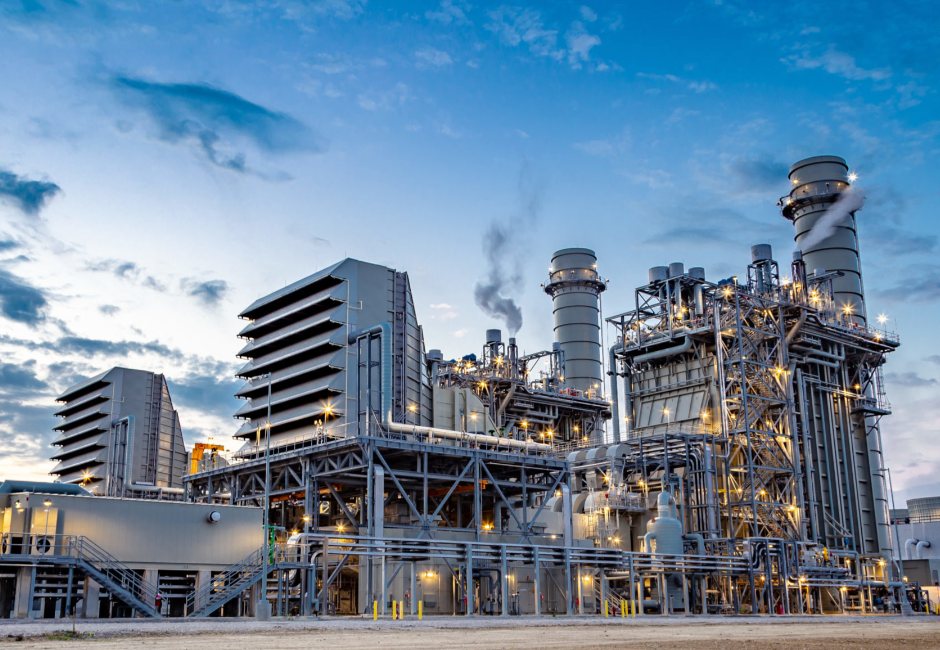
Why Does Power Inspection Need Thermal Imaging?
Thermal imaging for power inspection helps detect overheating connectors, insulation degradation, load imbalance, and UAV inspection risks without shutdowns.
Read More →
Why Use Thermal Imaging Cameras for Forest Fire Prevention?
How a forest fire thermal imaging camera detects early hotspots at night, through light smoke and low light, with selection, deployment and AI alarm guidance.
Read More →
Thermal Imaging in Low-light and No-light Environments
Thermal imaging in low-light and no-light environments: sensor bands, contrast, optics, calibration, and OEM module trade-offs.
Read More →