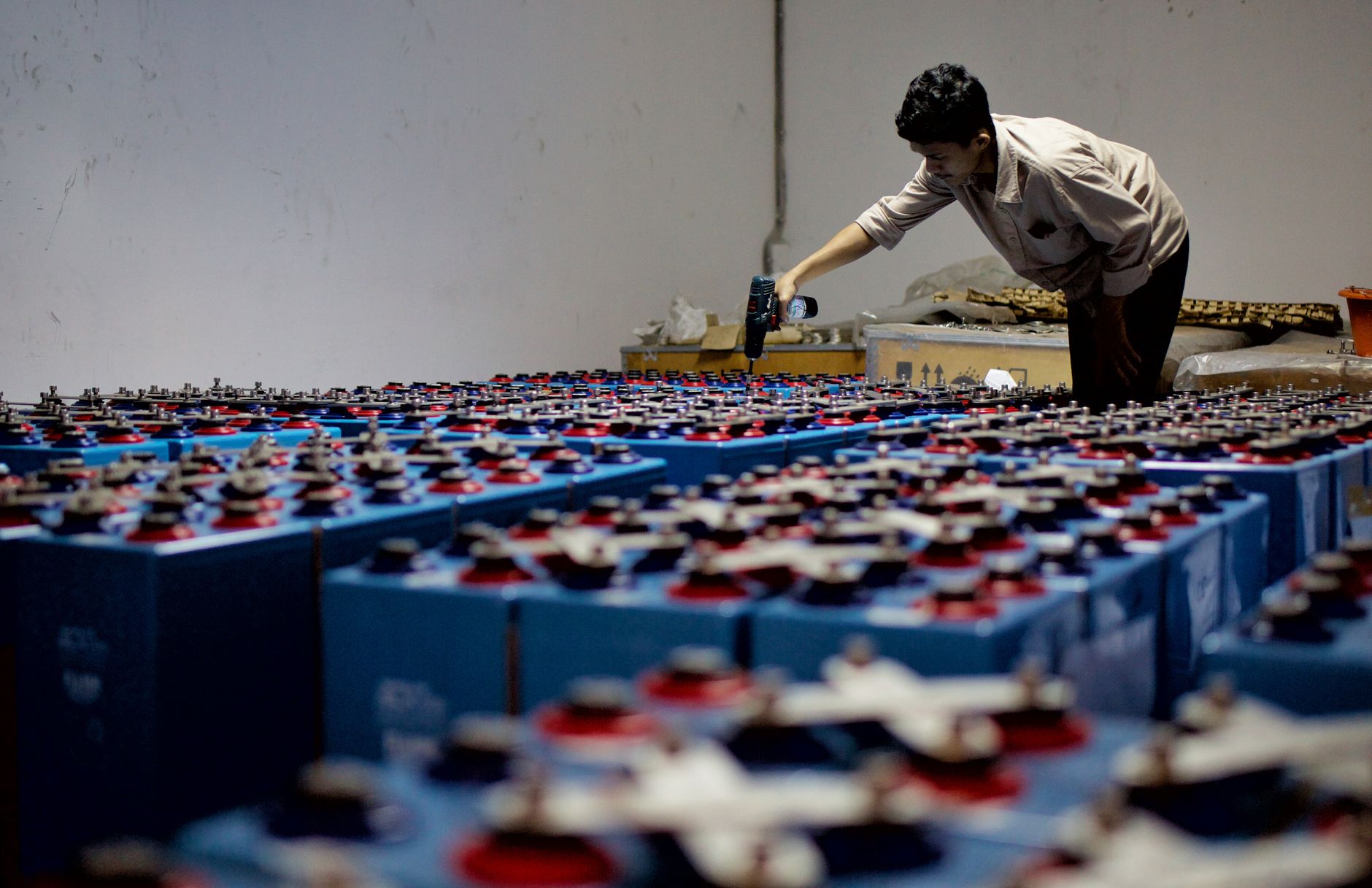
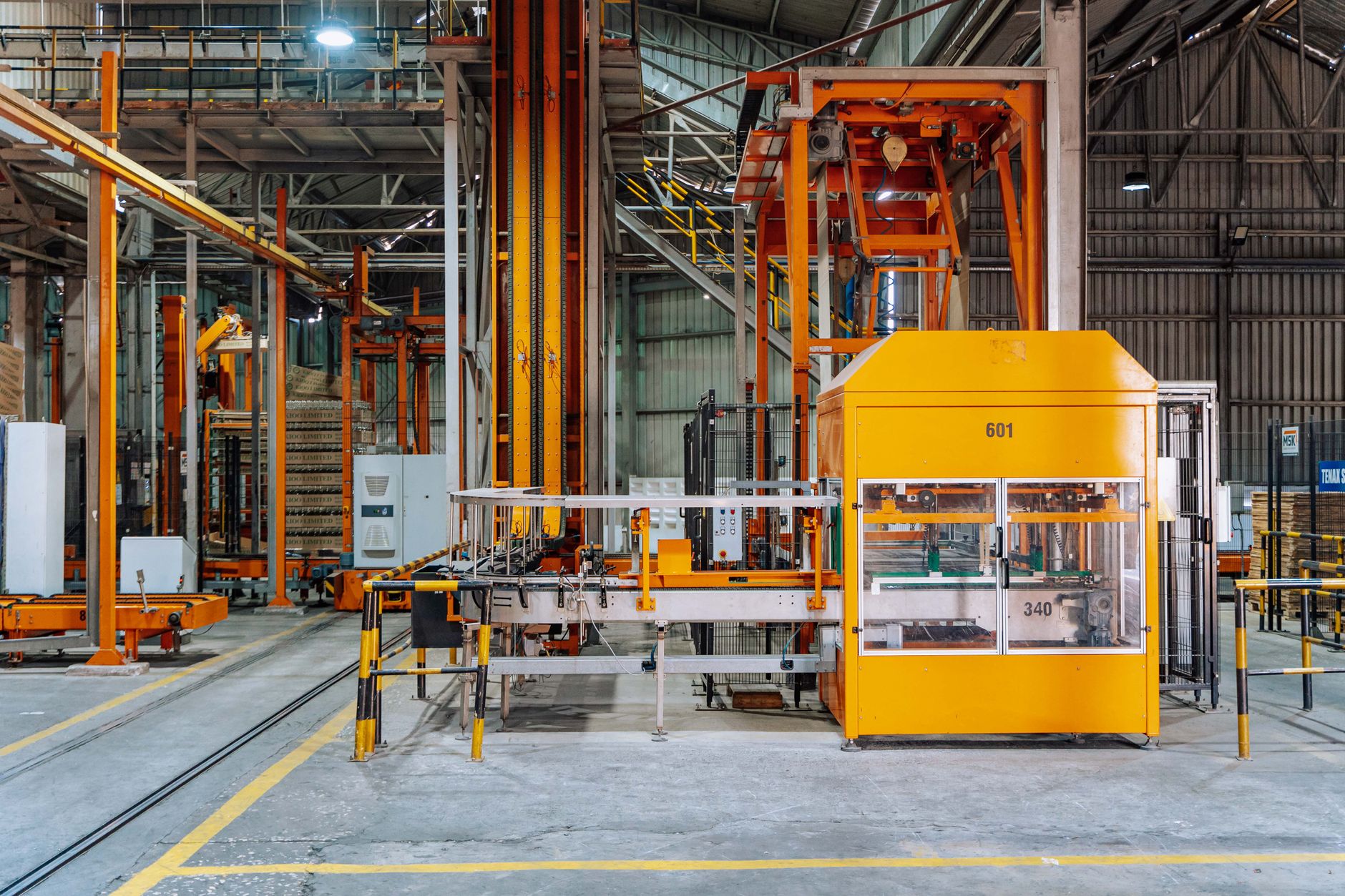
A warehouse full of lithium batteries is a warehouse full of small, patient energy releases waiting for a reason. Most cells in storage will never misbehave; the ones that will are already warming, quietly, days or hours before smoke — a self-discharge defect, an internal short growing through a damaged separator, a cell crushed in transit and waiting for its moment. By the time a smoke detector knows, the event has begun. A thermal camera watching the racking knows at the warming stage, when the response is a forklift and a sand bucket instead of a fire brigade and an insurance claim.
This case looks at how a battery logistics operator built that early watch over its storage and recycling operations — and what it did to the company’s risk profile.
Project Background
In 2025, a battery logistics and recycling company in east China — a business storing new cells for distribution and receiving end-of-life packs for dismantling and materials recovery — faced a hard conversation with its property insurer. Two thermal events in the wider industry that year had made battery warehouses a reluctant underwriting category, and the company’s own history didn’t help: a pallet of returned consumer batteries had smoldered overnight two years earlier, found by the morning shift as a charred corner and a full-building smoke cleanup. The insurer’s renewal conditions included continuous thermal monitoring of storage areas. The company went further than the minimum: fixed radiometric cameras covering the new-cell warehouse aisles, the incoming-pack quarantine zone, and the dismantling floor — integrated with the site’s alarm and ventilation systems.
Pain Points of the Traditional Approach
- Smoke detection arrives at the event, not before it. A ceiling detector announces a fire that is already underway; in a battery warehouse, underway means thermal runaway propagation risk to neighboring pallets.
- Patrols sample, they don’t watch. A guard walking aisles twice a night sees each pallet for seconds; a troubled cell warms continuously for hours — the two schedules simply don’t intersect reliably.
- Incoming packs are the unknown quantity. End-of-life batteries arrive with unknown histories — damaged, over-discharged, waterlogged; quarantine is precisely the population most likely to misbehave and the least instrumented.
- After an event, everything is evidence-free. Without continuous records, an incident investigation starts from ash; what warmed first, when, and how fast is reconstruction by guesswork.
The Thermal Imaging Solution
The deployment layered thermal coverage by risk. In the main warehouse, high-resolution radiometric cameras on the aisle ends cover the racking rows, each pallet face within measurement range; the analytics track every visible cell-pack zone against its own history, so a single pallet warming a few degrees above its neighbors — the classic early signature — alarms at the warming stage, with the camera name and rack position in the alert. The night-shift response procedure is deliberately boring: fetch the flagged pallet with the forklift, move it to the outdoor quarantine pad, watch it cool or escalate.
The quarantine zone and dismantling floor got denser coverage, because that is where damaged goods concentrate. Incoming packs sit in the quarantine grid for a settling period under continuous thermal watch; anything with a self-heating signature never reaches the main racking. On the dismantling floor, where packs are opened and cells extracted — the operation with the highest mechanical-damage rate — cameras watch the work benches and the extraction bins, so a cell punctured at 14:00 and warming at 14:20 is pulled to the sand tray at 14:21.
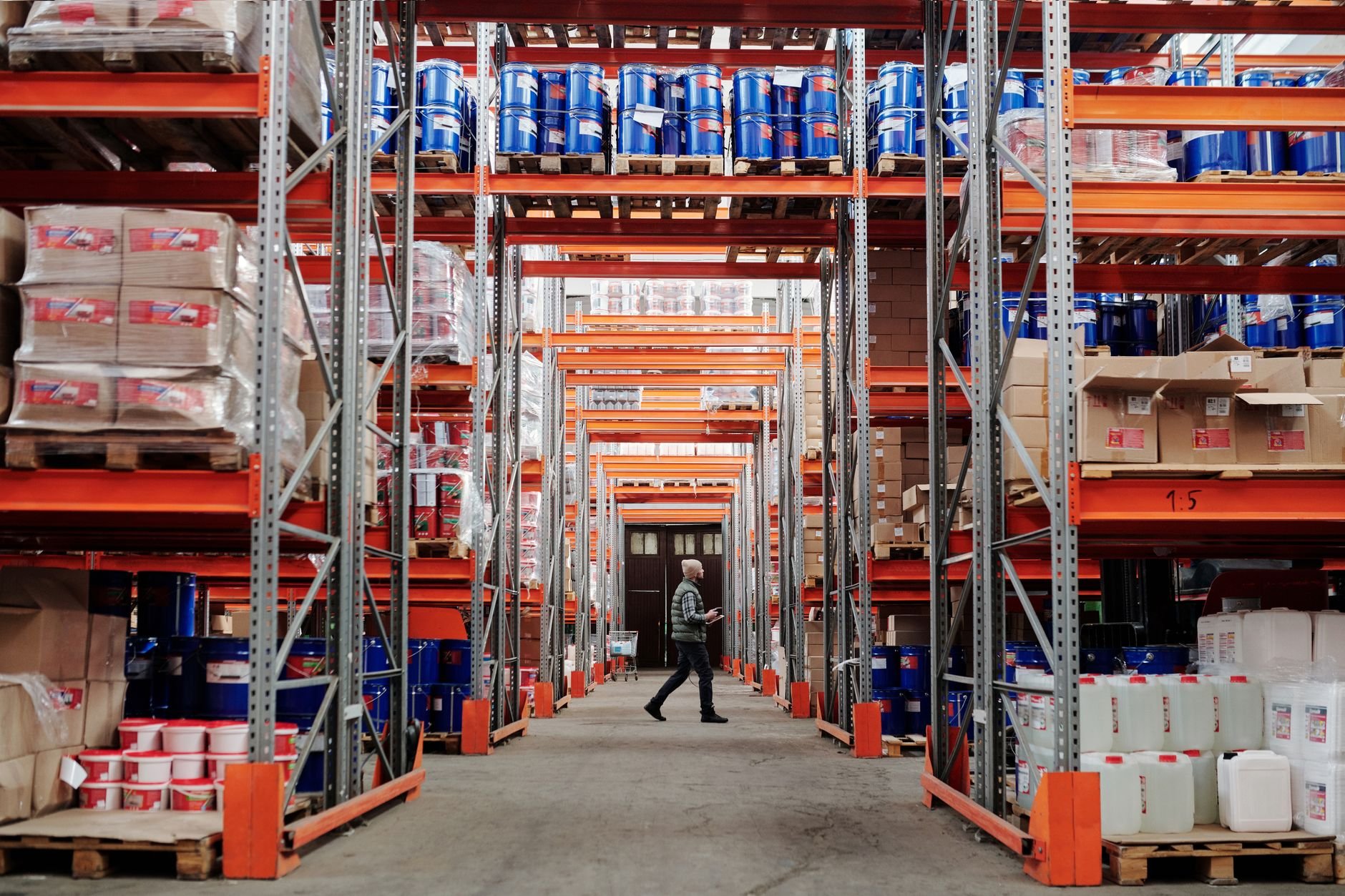
Every camera records continuously, not just on alarm. When a cell was found swollen during a routine sort, the team pulled the thermal history of its pallet for the previous week — evidence that turned supplier discussions and insurance documentation from argument into reading.
What the Thermal Solution Changed
- Events are intercepted at the warming stage. In the first year, nine pallets were pulled to the quarantine pad on thermal alarms — three later confirmed as genuinely defective cells; none propagated, none reached smoke.
- The insurer renewed, with better terms. Continuous monitored thermal coverage with recorded history satisfied the renewal conditions; the company’s premium trajectory reversed at the next negotiation.
- Quarantine became a filter, not a formality. Self-heating incoming packs are now identified during the settling period — the warehouse’s most dangerous population is screened before it joins the general stock.
- Every incident has a record. Continuous thermal logging means investigations start from data: what warmed, when, and how the response unfolded — documentation that serves suppliers, insurers and regulators alike.
Module Selection Notes
Warehouse coverage asks for radiometric cameras that hold measurement across wide scenes from fixed mounts, run unattended for years, and feed analytics with stable data rather than pretty pictures. The SPECTRA L12T 1280×1024 radiometric module covers long aisles and racking rows with per-pixel temperature in a single frame. For quarantine grids and bench-level coverage at close range, the SPECTRA L06A 640×512 LWIR module delivers sensitive measurement in a compact, integration-friendly core. See the battery safety application page for storage and recycling monitoring patterns.
Operating battery storage, logistics or recycling facilities? Talk to our engineers about coverage design and alarm integration.