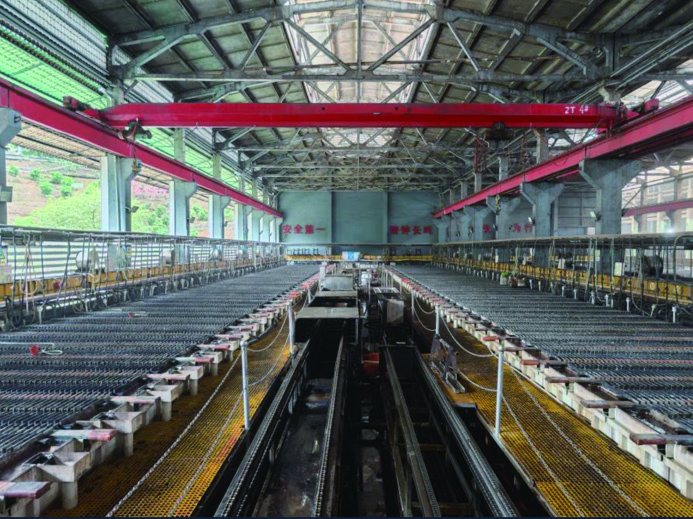
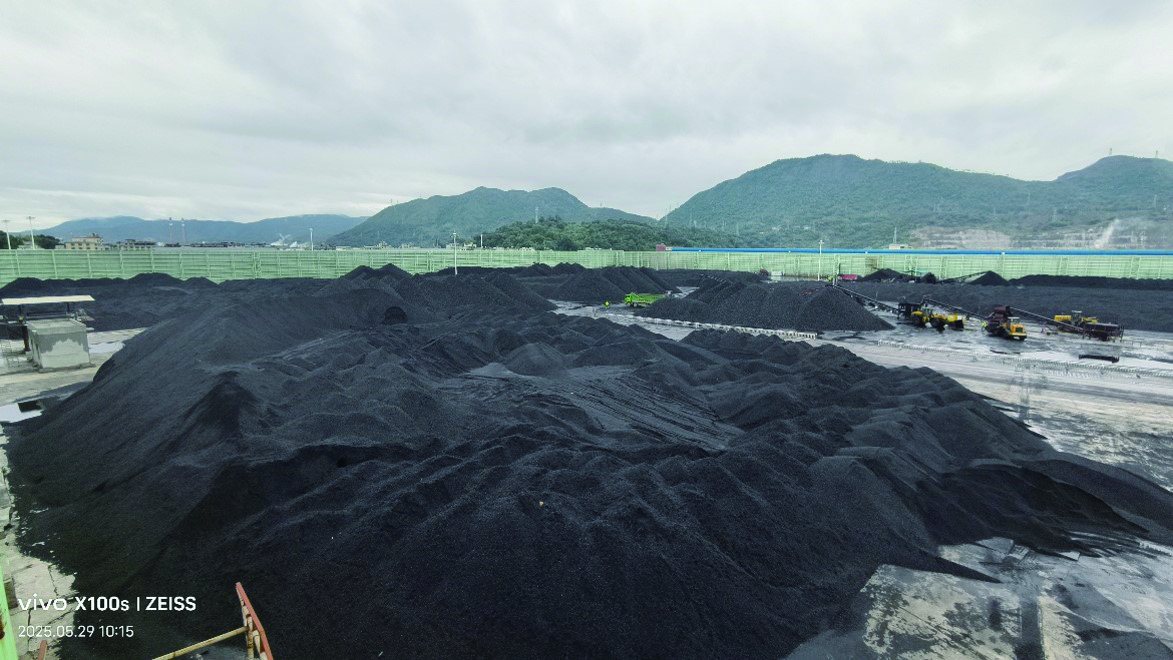
An open-pit mine at night is one of the most hostile driving environments anywhere: hundred-tonne haul trucks sharing benches and ramps with pickup-sized light vehicles, pedestrians on foot near loading areas, dust that eats headlight beams, and glare from opposing floodlights. The physics are unforgiving — a loaded haul truck cannot stop quickly, and its driver sits high above enormous blind zones. Most serious mining vehicle incidents happen after dark.
This case looks at how one mine attacked its night-shift incident record by giving haul trucks AI-enabled thermal-visible vision — and what changed when drivers could finally see beyond their headlights.
Project Background
In 2023, the safety department of a large open-pit coal mine in northwest China — a fleet of over sixty haul trucks running two night shifts, with dozens of light vehicles, graders, and water trucks moving around them — completed a review the industry would recognize: in three years, every serious vehicle incident and most near-misses had occurred at night or in low-visibility dust. The contributing factors were structural, not disciplinary. Night hauling ran on headlights and cab-mounted work lights whose useful range in dust was a fraction of the distance a loaded truck needs to stop; light-vehicle drivers habitually misjudged how invisible they were to truck cabs; and fatigue on the 2 a.m. to 6 a.m. stretch was a permanent condition, not an exception. The mine had already tried more lighting, more mirrors, proximity radar on a handful of trucks, and stricter radio discipline — each helped marginally, none addressed the core problem that drivers simply could not see far enough. The department funded an AI night-vision trial: EO/IR camera units with onboard AI object detection on twelve haul trucks, alerting drivers to pedestrians, light vehicles, and obstacles ahead.
Pain Points of the Traditional Approach
- Headlights lose to dust, fog, and geometry. In typical pit dust, usable headlight range collapses to a few dozen meters — far inside the stopping distance of a loaded truck on a downgrade.
- Blind zones are measured in tens of meters. The area a haul-truck driver cannot see includes the ground immediately ahead and to the right — exactly where a pickup or a person on foot sits.
- Radar proximity systems don’t classify. Ultrasonic and radar aids report “something” at short range; they cannot tell a person from a berm, and at night they mostly add alarm noise.
- Floodlighting the pit doesn’t scale. Lighting haul roads that move with the mining faces means relocating towers continuously — and glare from floodlights creates its own hazard for opposing drivers.
The Thermal Imaging Solution
The trial trucks each carry a ruggedized EO/IR unit on the cab: a thermal channel that sees heat signatures regardless of darkness, dust, or glare, paired with a low-light visible channel, with AI analytics running on the unit itself. The system watches the road ahead and the truck’s front blind zones, and it classifies what it finds — pedestrian, light vehicle, haul equipment, obstacle — alerting the driver on a cab display with the target highlighted and its distance marked.
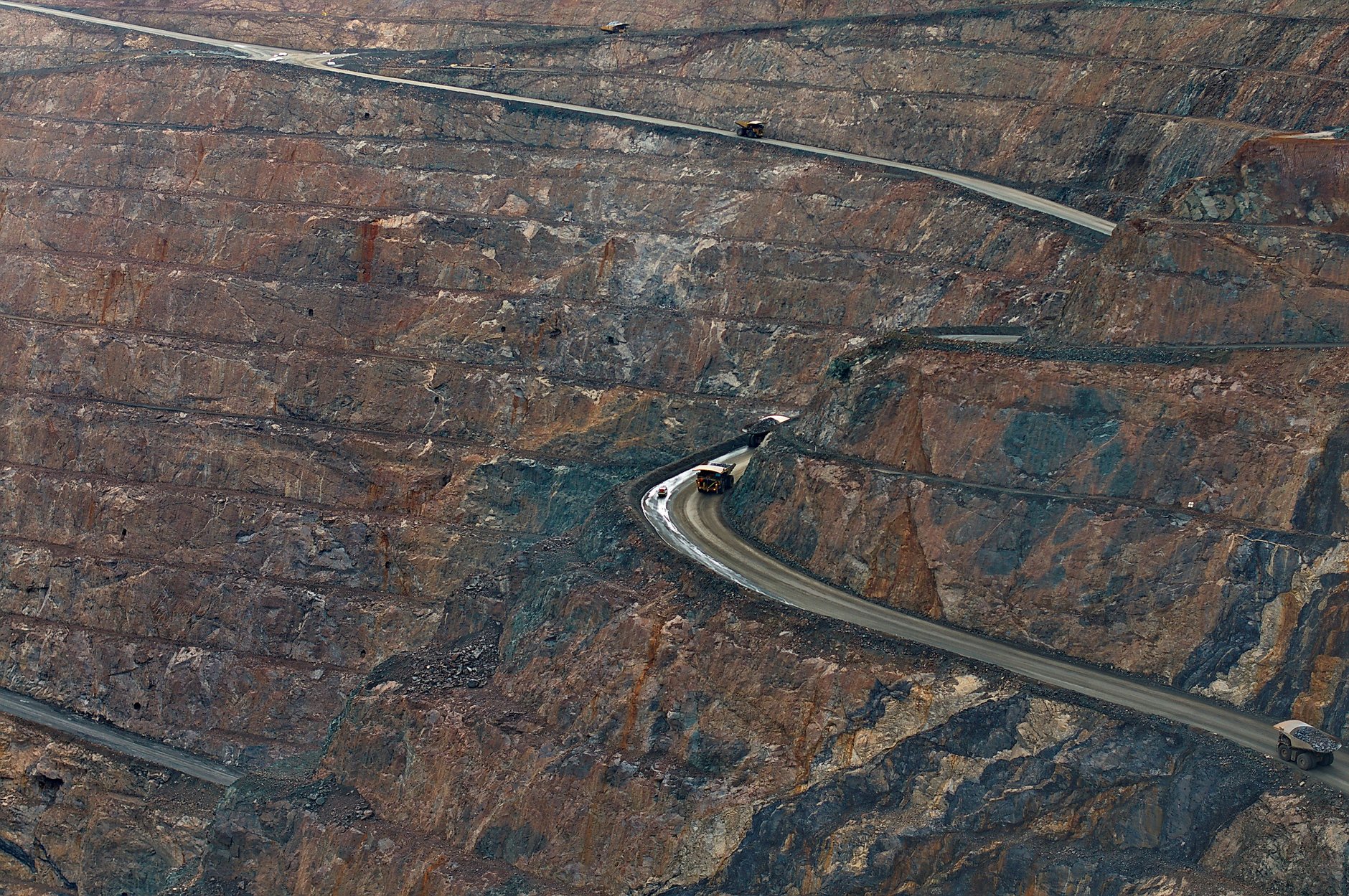
The key difference from proximity radar is classification at range. A person on foot near the haul road at 150 meters is a distinct thermal signature the AI has been trained to recognize; a pickup crossing ahead in dust is detected and tracked before it enters the headlights’ reach. Alerts are graded — caution for distant targets, immediate warning for targets on a collision course — so the cab stays quiet unless it matters. Footage is recorded for incident review and for retraining, which let the mine tune the system to its own vehicles, roads, and dust conditions over the trial.
What the Thermal Solution Changed
- Night near-misses on fitted trucks fell away. Over the first year, the twelve trial trucks recorded no vehicle-person or truck-light-vehicle incidents at night, against a fleet baseline that had produced several per year; the most common alert — pedestrian near the haul road — was repeatedly resolved with hundreds of meters to spare.
- Drivers reported the fatigue picture changing. Watching a clear thermal view with AI callouts proved far less draining at 3 a.m. than straining into headlight-lit dust, and the night-shift fatigue flags on fitted trucks dropped noticeably.
- Incident review became objective. Recorded thermal-visible footage ended the dispute-driven reconstruction of night events; the mine now uses clips in safety training.
- The business case generalized. Based on the trial, the mine specified AI night vision in the procurement standard for its next truck fleet renewal — the strongest possible internal endorsement.
Module Selection Notes
Vehicle-mounted AI vision needs a compact EO/IR module with onboard detection and tracking, a digital interface the cab display and recorder can consume, and the shock and vibration rating to live on a haul truck. The NEXUS LV0619B EO/IR AI tracking module is built for exactly this role; for dual-spectrum sensing with separate thermal and visible channels, see the FUSION LV0625A dual-spectrum module. Deployment patterns for mining and special vehicles are on the vehicle application page.
Building driver-assist vision for mining or industrial vehicles? Talk to our engineers about module selection, AI analytics, and cab integration.