Research & Specialty
Research and specialty case studies: laboratory thermography, SWIR and polarization imaging, and material science experiments with thermal cores.
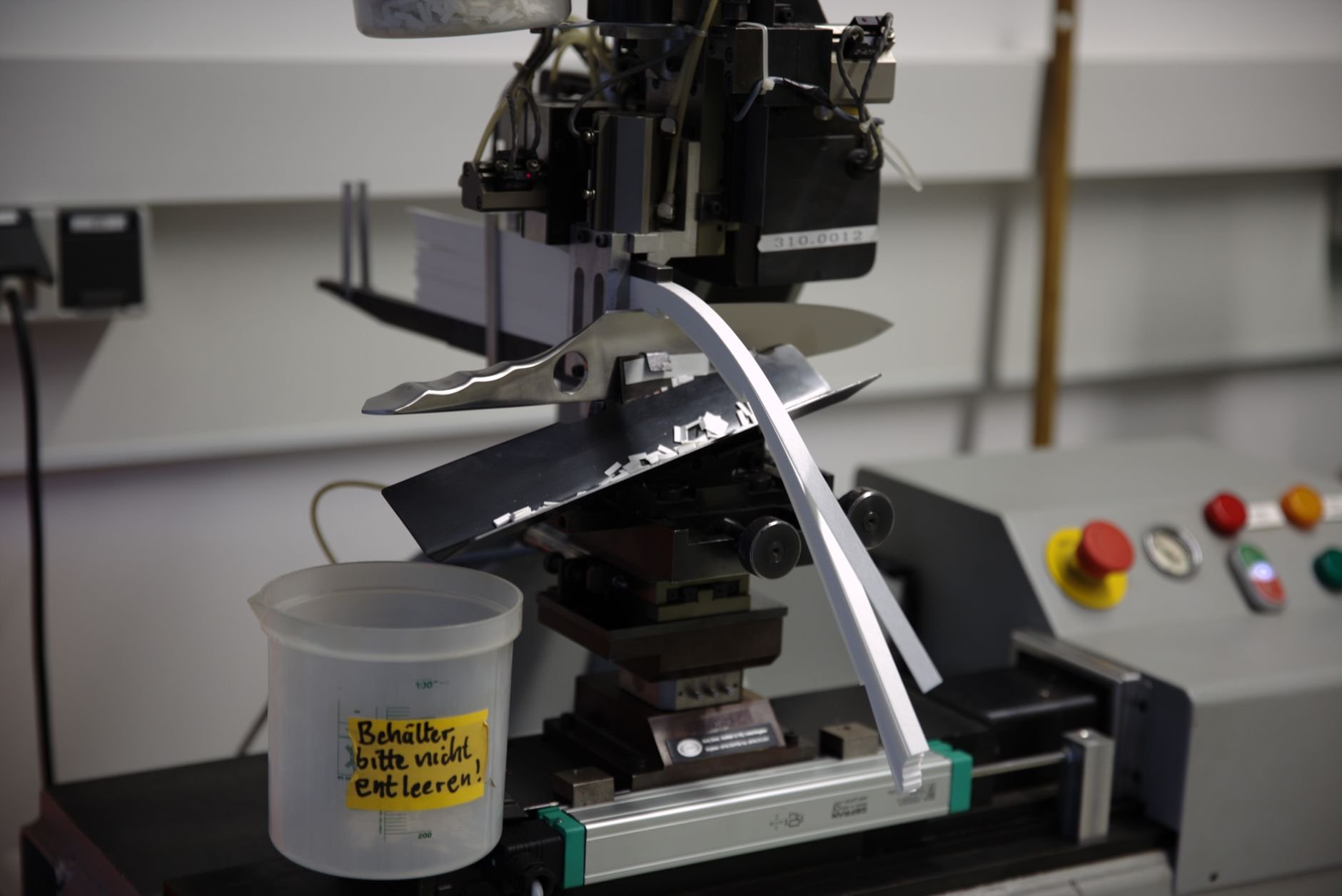
Thermography in the Test Lab: Watching Stress and Fatigue Develop in Materials Testing
How a university fatigue lab added high-sensitivity thermal imaging to its test frames — mapping stress concentration thermoelastically, watching crack precursors as heat, and cutting specimen count on composite qualification programs.
Read More →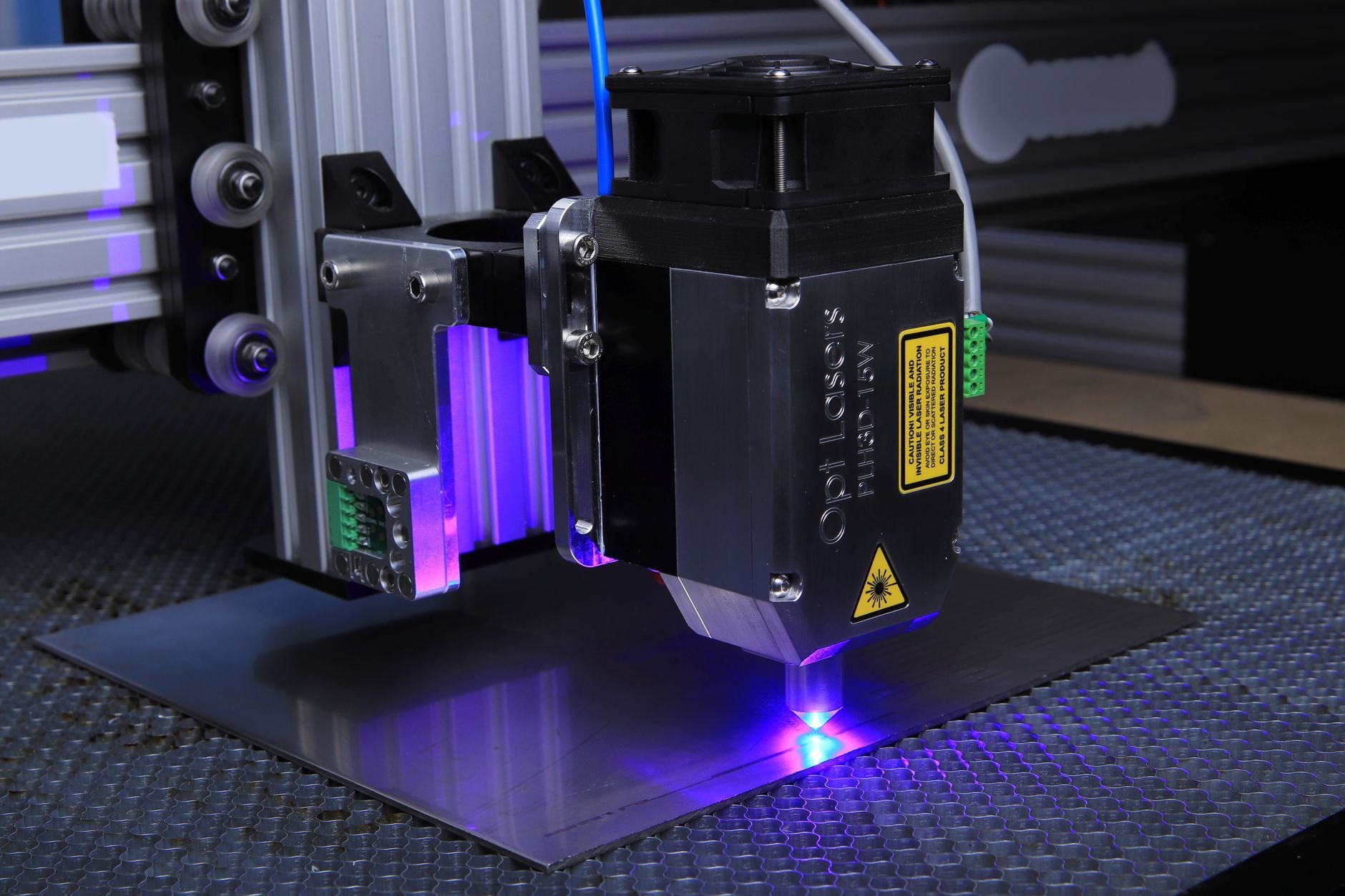
Watching the Melt Pool: Cooled Thermal Monitoring for Laser Processing and Additive Manufacturing
How a laser-cladding and metal 3D-printing workshop put cooled MWIR cameras on its melt pools — turning spatter, porosity and overheating from post-mortem findings into in-process signals, and cutting scrap on high-value parts.
Read More →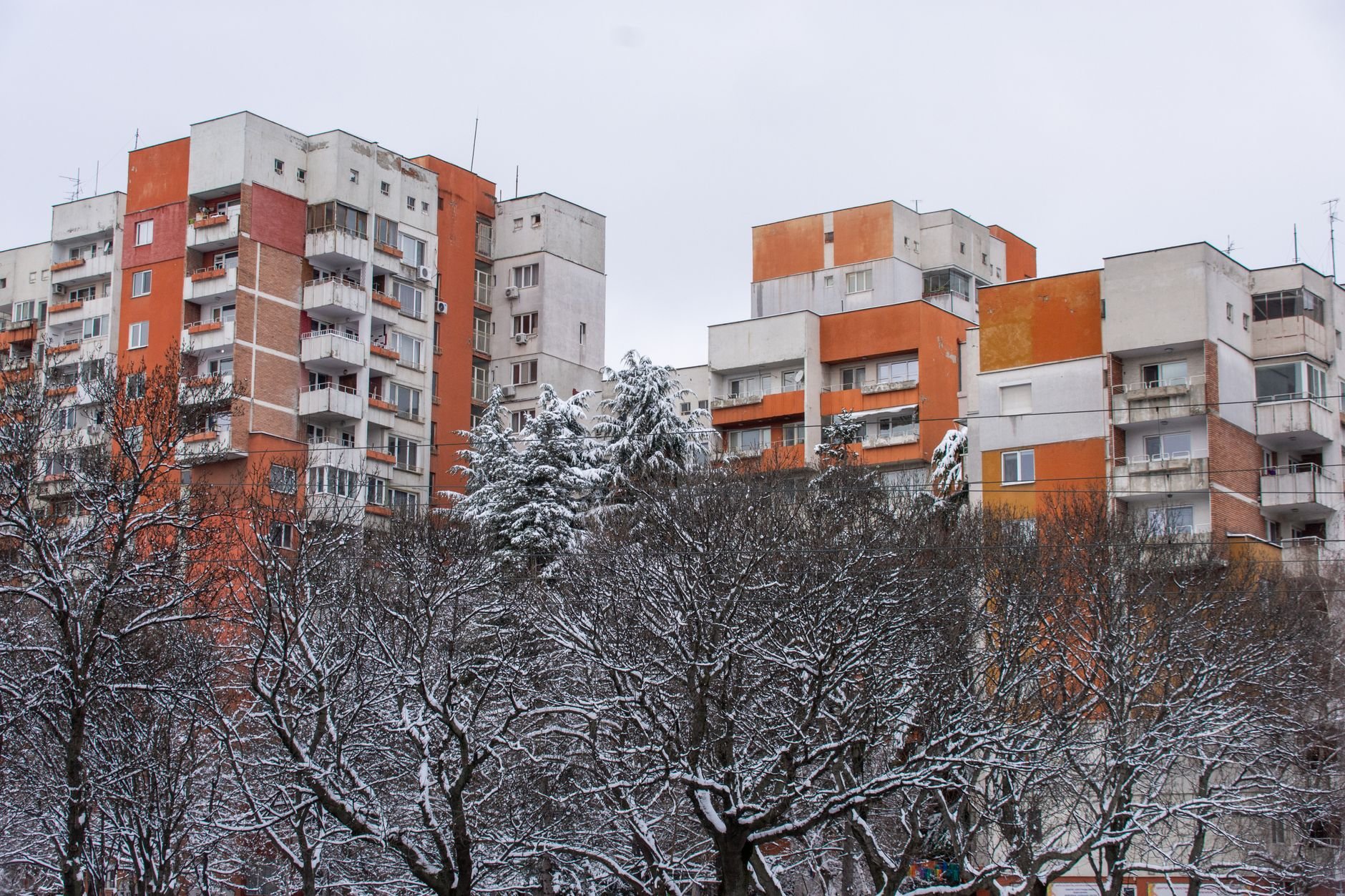
Thermal Bridge Surveys for a Building Retrofit Program: Finding the Heat Leaks Before the Money
How an energy-services company ran radiometric thermal-bridge surveys across a municipal retrofit portfolio — turning insulation defects and air leaks from guesswork into mapped, quantified targets before renovation budgets were committed.
Read More →
Polarization Thermal Imaging for Low-Contrast Target Recognition
How a research team used polarization-sensitive thermal imaging to detect targets that are thermally invisible — camouflaged vehicles at thermal equilibrium, disturbed soil, and oil films on water — in scenes where a standard thermal camera shows nothing.
Read More →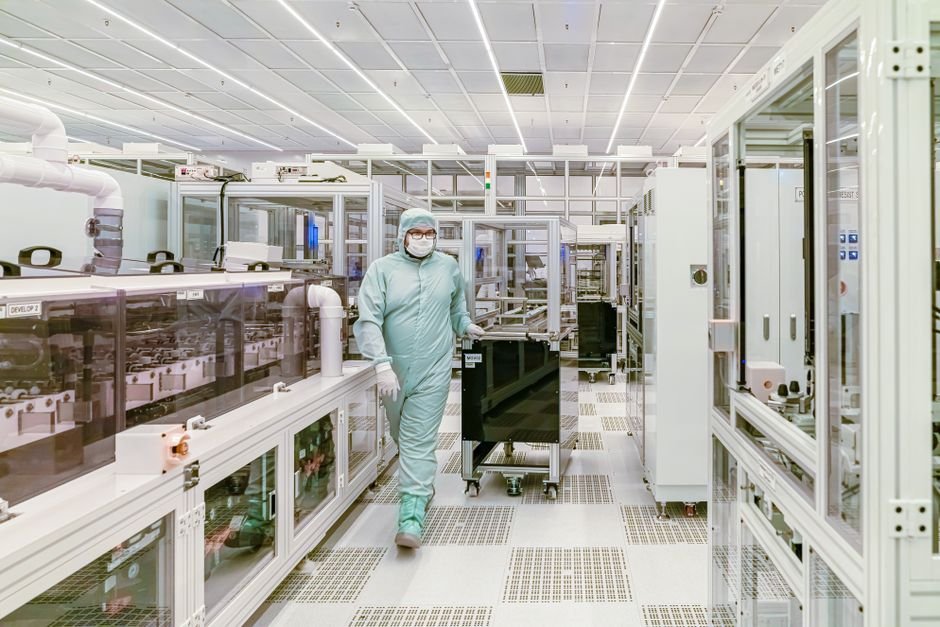
SWIR Sorting and Inspection of Semiconductor Materials
How a semiconductor packaging house uses SWIR imaging to see through silicon — catching subsurface wafer cracks and bond defects that visible-light inspection cannot see, and sorting reclaimed wafers by what is actually inside them.
Read More →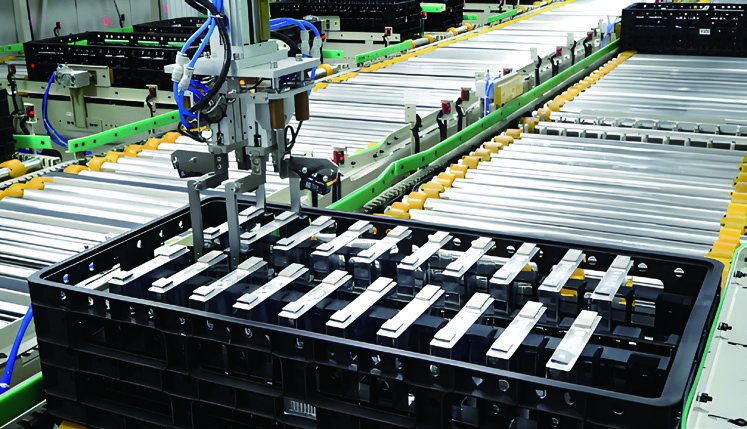
Thermal Cores in the Lab — Battery Charging and Material Defect Studies
A university lab built two experiments on one OEM thermal core: mapping heat distribution across a charging battery pack, and finding hidden cavities in building materials — both with exportable radiometric data.
Read More →